
Nuts are one of those foods that almost every nutrition expert agrees on. They’re dense, satisfying, and packed with a remarkable range of nutrients.
Yet not all nuts are created equal – and if you’ve ever stood in a grocery aisle wondering which bag to grab, you already know how confusing it can get. The truth is, the differences between nuts go far deeper than taste.
Some have an extraordinary impact on heart health and brain function. Others are nutritional powerhouses but come with real risks if you eat too many.
A few sit at the bottom of the ranking simply because their macronutrient profile is less balanced compared to their counterparts. So let’s get into it.
1. Walnuts: The Undisputed Brain and Heart Champion

Honestly, walnuts might just be the most impressive nut on the planet. Walnuts are often considered the healthiest nut because they are rich in omega-3 fatty acids, especially alpha-linolenic acid, antioxidants, and other nutrients that promote heart and brain health.
That’s a lot of firepower packed into something that fits in the palm of your hand. Walnuts have greater antioxidant activity than any other common nut.
This activity comes from vitamin E, melatonin, and plant compounds called polyphenols, which are found in particularly large amounts in the papery skin of walnuts. Most people throw that skin away.
Don’t. A 2024 review of research published in Foods and Humanity calls walnuts a “functional food” based on 23 years of study findings.
The review highlights a range of associated health benefits, including heart health: walnuts can lower “bad” cholesterol levels and reduce the risk of heart disease. S.
Food and Drug Administration. Studies have shown that the antioxidants and anti-inflammatory polyphenols found in walnuts may improve brain function and slow mental decline that occurs with aging.
Research published in a 2024 PMC study also confirms that the consumption of various nuts, especially walnuts, may benefit both primary and secondary prevention of cardiovascular disease due to their bioactive components.
2. Almonds: The Most Nutrient-Dense Nut Per Ounce
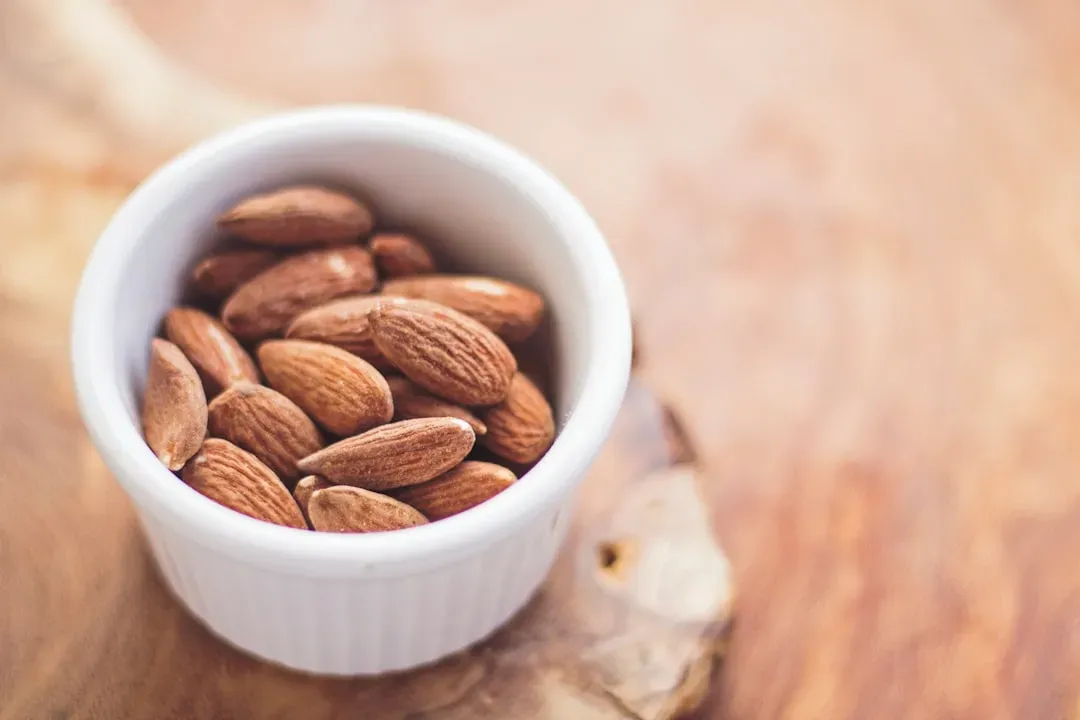
Almonds are the kind of nut that shows up on every dietitian’s short list – and there’s very good reason for that. When compared ounce for ounce, almonds are the nut highest in protein, fiber, calcium, vitamin E, riboflavin, and niacin, and they are the best source of six of the thirteen nutrients for which there are daily values, while also being among the lowest in calories.
These nuts are especially rich in vitamin E, a fat-soluble nutrient that functions as an antioxidant to protect your cells against oxidative damage. Research published in the Journal of the American College of Nutrition showed that increasing almond intake helped improve insulin sensitivity and reduced cholesterol in adults with prediabetes.
That’s a notable finding for a very large at-risk population. A 2025 meta-study in the European Journal of Nutrition found daily almond intake reduces LDL cholesterol by roughly 6 percent on average.
Almonds also support weight management, as their fiber and protein combination promotes satiety. They are widely available, affordable, and versatile.
Think of them like a Swiss Army knife of snacks – they do almost everything well.
3. Pistachios: The Low-Calorie Protein Star
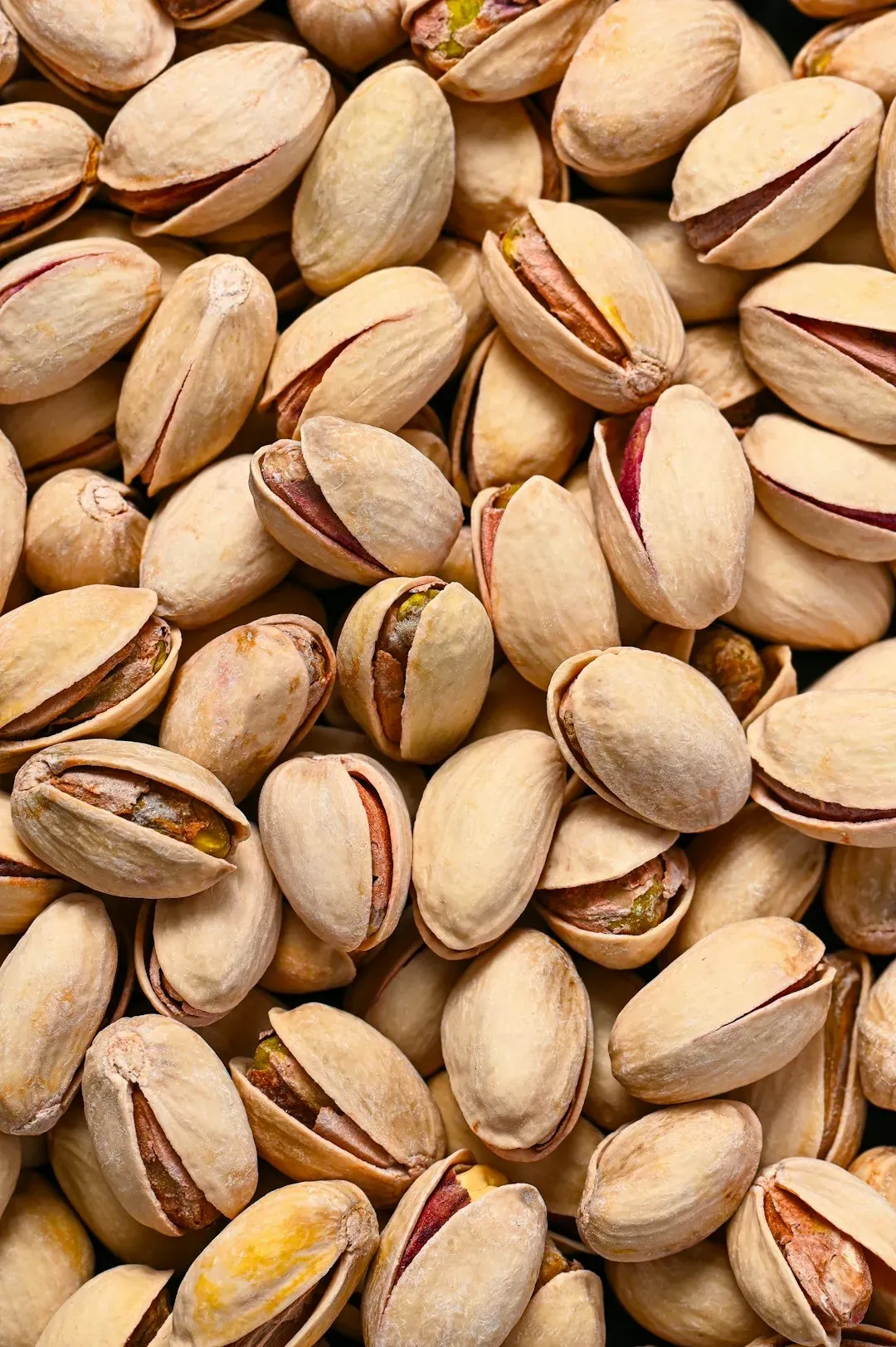
Pistachios tend to get overshadowed by almonds and walnuts, but they genuinely deserve a top-three spot. Pistachios are among the highest in protein, lowest in fat, and lowest in calories compared to every other nut.
Compared with other nuts, pistachios have a lower fat content, and they have an essential amino acid ratio higher than most other commonly consumed nuts including almonds, walnuts, pecans, and hazelnuts, plus they’re richer in fiber. Among nuts, pistachios have the highest levels of potassium, vitamin K, phytosterols, and vitamin B6.
That’s a seriously impressive lineup of micronutrients. A study published in the Journal of the American College of Nutrition found that eating two to three ounces per day of pistachios improved blood lipid levels and lowered the ratio of bad LDL cholesterol to good HDL cholesterol.
A 2025 study published in The Journal of Nutrition found that eating pistachios strengthens a part of the eye that protects the retina and reduces the risk of age-related macular degeneration, a leading cause of vision loss in older adults. I think that finding alone is worth paying attention to.
Vision health from a snack? That’s extraordinary.
4. Peanuts: The Affordable Protein Powerhouse
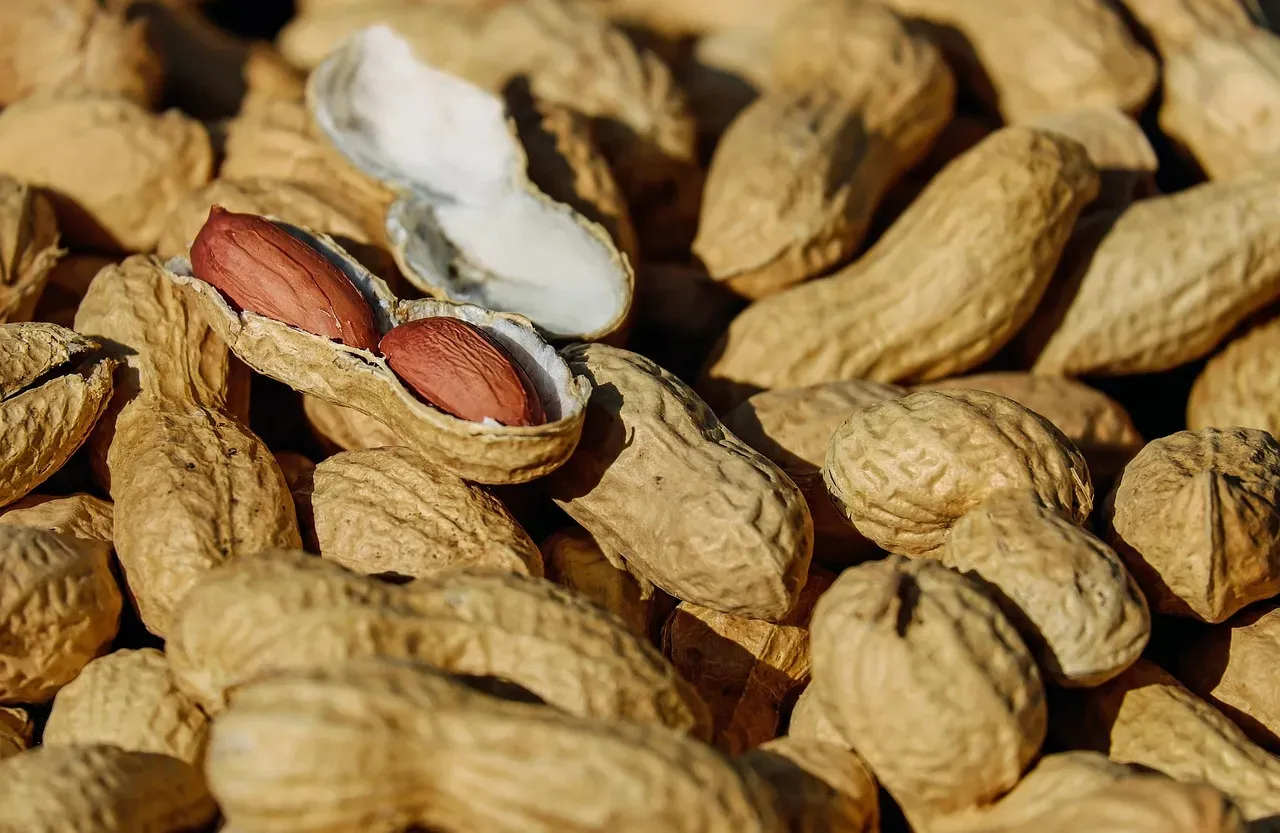
Here’s the thing about peanuts – technically they’re a legume, not a true nut. But nutritionally?
They belong in this conversation without question. While peanuts technically belong to the legume family, they have a nutrient profile similar to that of tree nuts, as well as comparable health benefits and related culinary uses.
Peanuts are also high in antioxidants and fiber, and alongside almonds, contain the most protein compared to other nuts with about 7 grams per one-ounce serving. For anyone eating plant-based, that kind of protein density is genuinely valuable.
They’re packed with polyphenol antioxidants and are also high in folate, a B vitamin that’s especially important during pregnancy due to its role in fetal and placental development. Perhaps the most surprising recent finding: a 2025 study published in Antioxidants suggests that eating peanuts might actually help slow down aging at the cellular level.
While more research is needed, there may be an association between peanut consumption and maintaining cellular health and longevity. Nobody predicted that one coming from the humble peanut.
5. Hazelnuts: The Underrated Heart Protector
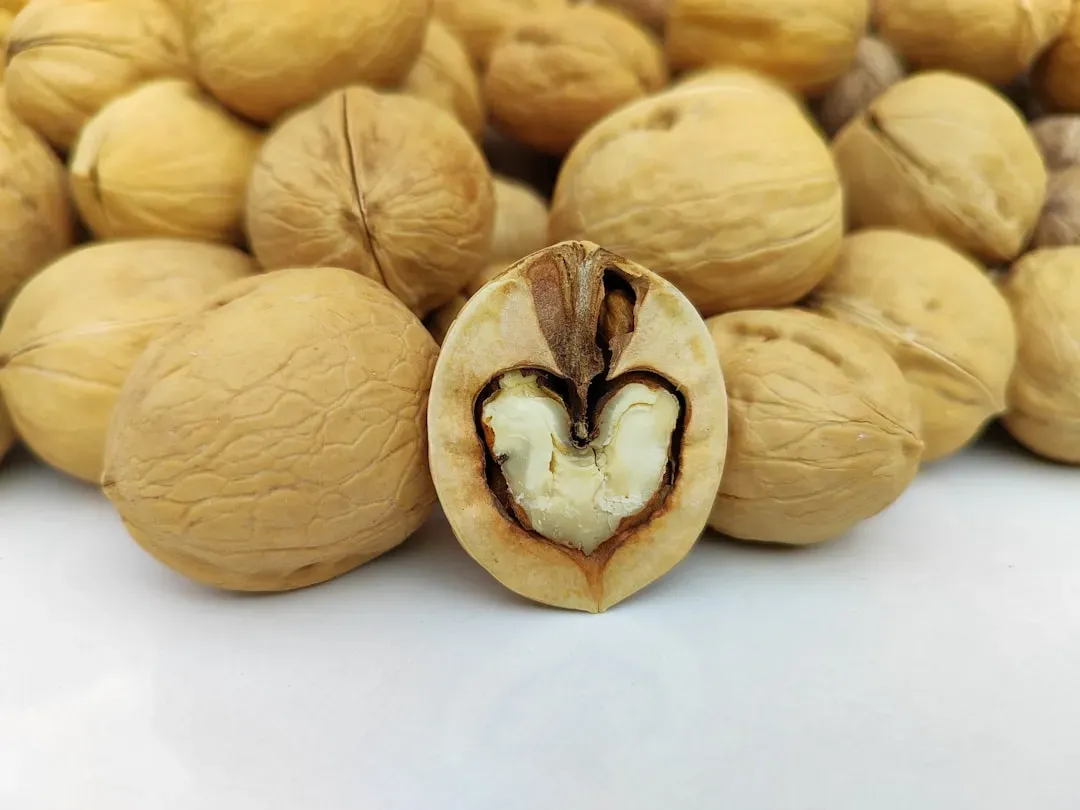
Hazelnuts don’t get nearly enough credit. Most people know them as the main ingredient in chocolate spreads, but their true health story is far more compelling.
Hazelnuts are very nutritious, and almost all of their fat is heart-healthy monounsaturated fat. They rank among the healthiest nuts to eat on an everyday basis because, like pecans, they are incredibly rich in antioxidants.
A study found that a hazelnut-enriched diet reduced total cholesterol by nearly 8 percent, dropped triglycerides by 7 percent, and increased beneficial HDL cholesterol by 6 percent compared to a control group. Those are real, meaningful numbers.
Another study published in the European Journal of Clinical Nutrition showed that eating hazelnuts even helped boost vitamin E concentrations in the blood. In addition to being a good source of vitamins and minerals, hazelnuts may have antioxidant and anti-inflammatory effects because they’re loaded with beneficial compounds.
A 2016 review of 9 studies also suggests that regularly eating hazelnuts may help reduce heart disease risk factors like elevated LDL cholesterol and total cholesterol. Hazelnuts are the quiet overachiever of the nut world.
6. Cashews: Creamy, Mineral-Rich, but Watch the Carbs
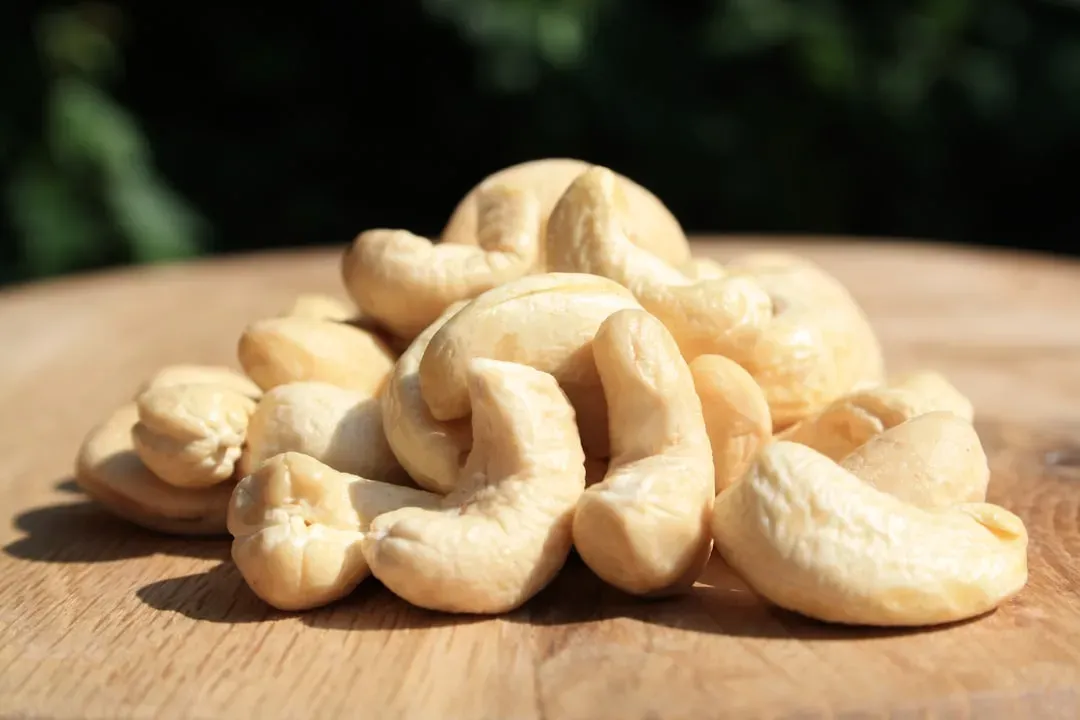
Cashews are beloved in kitchens around the world, and for good reason – they’re creamy, versatile, and genuinely nutritious. These nuts are packed with essential minerals like zinc, copper, magnesium, and manganese, which are key for energy production, immune support, and bone health.
Roughly 82 percent of their fat is unsaturated fat, the majority being heart-healthy monounsaturated fats similar to those found in olive oil. One-third of Americans need to get more iron in their diet, according to 2024 research published in JAMA Network Open, and cashew nuts come with about 2 mg per serving.
That’s around 11 percent of the daily value for women and 40 percent for men. That iron content is one of the things that genuinely sets cashews apart from most other nuts.
Some studies suggest that cashews may improve blood fat levels and reduce blood pressure. They also provide vitamin K and minerals like magnesium and manganese.
The one caveat worth noting: cashews contain a higher proportion of carbohydrates relative to other nuts, making them less suitable for low-carb diets or individuals managing diabetes. Everything in moderation – as always.
7. Brazil Nuts: Selenium Superstars With a Real Catch

Brazil nuts occupy a truly unique position in the nut world. They offer something almost no other food on earth can match in terms of a single micronutrient.
Most of Brazil nuts’ health benefits come from their high selenium content. Brazil nuts contain more selenium than any other food.
A 1 oz serving provides nearly 1,000 percent of the recommended daily value of selenium. Let that number sink in.
A small 2024 study looked at the potential anti-inflammatory effects of Brazil nuts in women with overweight or obesity. Selenium blood concentrations were higher and levels of inflammatory markers, such as C-reactive protein, were lower in the group that consumed 8 g of Brazil nuts per day compared to the group that followed a nut-free diet.
The anti-inflammatory potential here is real. However, Brazil nuts come with a genuine and serious caveat.
Eating too many Brazil nuts can lead to toxic levels of selenium in the body, known as selenosis, and cause symptoms such as bad breath, diarrhea, nausea, skin rashes and lesions, nerve pain, and fatigue. It’s best to stick to eating no more than 4 to 5 Brazil nuts per day, depending on their size.
Think of them less like a snack and more like a precise micronutrient supplement.
8. Macadamia Nuts: Delicious but the Least Nutritionally Balanced
 CC BY-SA 2.0)” />
Macadamia nuts are, without question, the most indulgent-tasting nut on this list. Rich, buttery, and deeply satisfying – they have real fans.
They also have legitimate health benefits. 5 ounce serving of macadamia nuts and a reduced risk of coronary heart disease, according to 2023 research from Advances in Nutrition.
Another 2023 study published in the Journal of Nutritional Science shows how, over just an eight-week period, cholesterol levels went down in people eating macadamias. Macadamias are rich in beneficial monounsaturated fats and are an excellent source of flavonoids and other phytonutrients that can help to support heart health and tamp down inflammation.
Macadamias boast the highest content of monounsaturated fats among nuts, contributing to heart health by managing cholesterol levels. They are a rich source of vitamins and minerals, including thiamin and manganese.
Notably, they contain omega-7 fatty acids, which may support brain health and function, reduce inflammation, and decrease the risk of metabolic syndrome. So why do they sit at the bottom of this ranking?
According to a 2024 dietary profile analysis published in the Journal of Nutrition, macadamias are the highest in total fat among popular nuts, with 76 grams of fat per 100-gram serving. While most of this is heart-healthy monounsaturated fat, the sheer calorie density, about 718 calories per 100 grams, makes portion control challenging for most people.
9 grams per 100 grams. The fat quality is excellent, but the overall nutritional breadth just doesn’t match up to what walnuts, almonds, or pistachios deliver.
How to Eat Nuts the Right Way

Research has found that frequently eating nuts lowers levels of swelling, called inflammation, related to heart disease and diabetes. Regularly eating a healthy diet that includes nuts may improve artery health.
” Consistency matters far more than perfection. Despite their high fat content, nuts are not associated with weight gain.
In fact, research suggests the opposite. More than 20 years of scientific research shows nut intake is linked with a reduced risk of overweight and obesity, and a reduced body weight, body mass index, and waist circumference.
That finding surprises many people – a high-fat food linked to lower body weight. It’s one of nutrition’s more counterintuitive truths.
It’s best to choose unsalted or unsweetened nuts. Adding salt or sugar to nuts may cancel out their heart-healthy benefits.
A small but important distinction. Limit nut and seed intake to an ounce or two per day as a general guide, and you’re in very good shape nutritionally.
The Verdict: Should You Pick Just One?
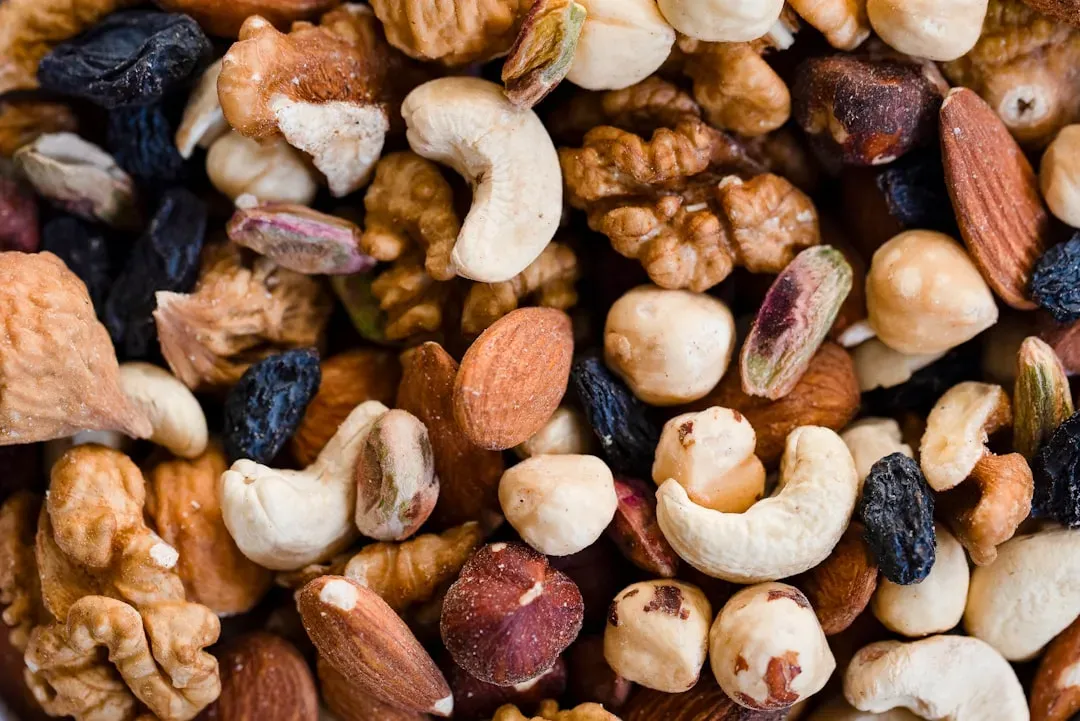
Here’s a perspective worth considering. The research strongly suggests you don’t have to choose just one nut and stick with it forever.
More and more health benefits have emerged linking nut consumption to a decreased risk of chronic disease. A study in the Journal of the American College of Cardiology showed that a higher intake of some of the healthiest nuts was associated with a lower risk of coronary heart disease.
Research published in Nutrients suggests eating more nuts in general is associated with a lower risk of developing type 2 diabetes and heart disease. Experts encourage eating a variety of nuts to maximize nutrient intake.
Think of it like a portfolio – spreading across different types gives you the widest range of benefits. Walnuts for the omega-3s and antioxidants, almonds for the vitamin E and fiber, pistachios for the protein and eye health.
It’s hard to say for sure which single nut wins for every person, because individual health needs vary enormously. The ranking here reflects overall nutritional balance, scientific backing, and risk-to-benefit ratio.
Whether you’re grabbing a handful of almonds before a workout or tossing walnuts into your morning oatmeal, the science is clear: nuts, eaten regularly and sensibly, are one of the most evidence-backed foods you can add to your daily diet. What would you have guessed sat at the top of the list before reading this?
Want more stories like this? Follow us and never miss out!