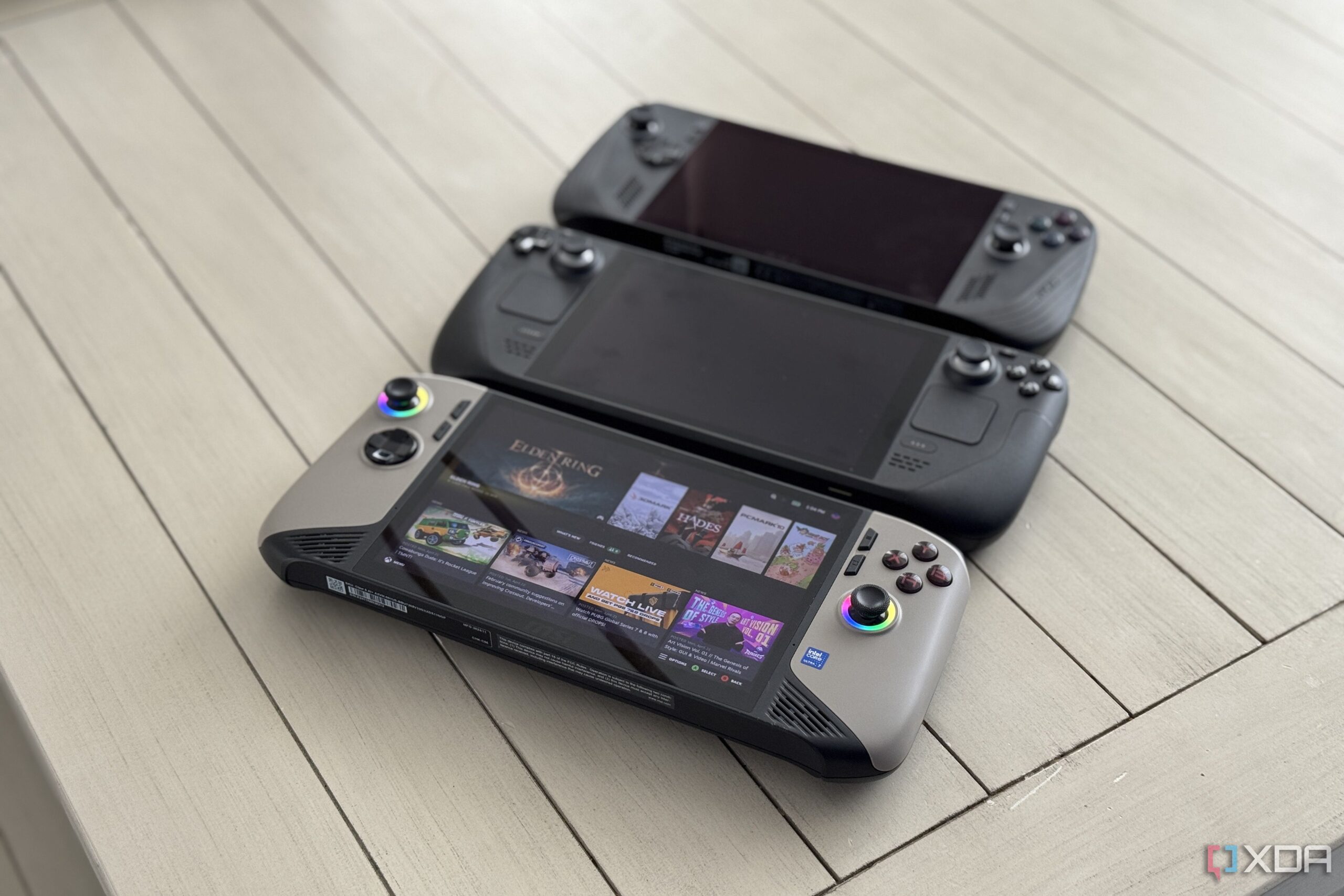
The Steam Deck OLED has been one of the easiest handheld recommendations in years, so seeing it suddenly vanish from store pages feels a little surreal, to say the least. Depending on where you live, it’s either sold out outright or stuck in a vague “restock soon” limbo, thanks to ongoing component shortages and Valve simply not being able to keep up with demand.
The good news, however, is that this isn’t 2015 anymore, when handheld PC gaming meant obscure devices and experimental hardware. It isn’t even 2022 anymore, when truly good gaming handhelds were extremely rare on the market. In 2026, the category is thriving. We’ve got powerful Windows handhelds and other beautifully-engineered alternatives that rival Valve’s own machine, spoiling us all for choice. If you’ve been eyeing a portable gaming PC and the Steam Deck is nowhere to be found, you’ve got other great places to start.
ASUS Xbox Ally — $599
The closest thing to a Steam Deck OLED
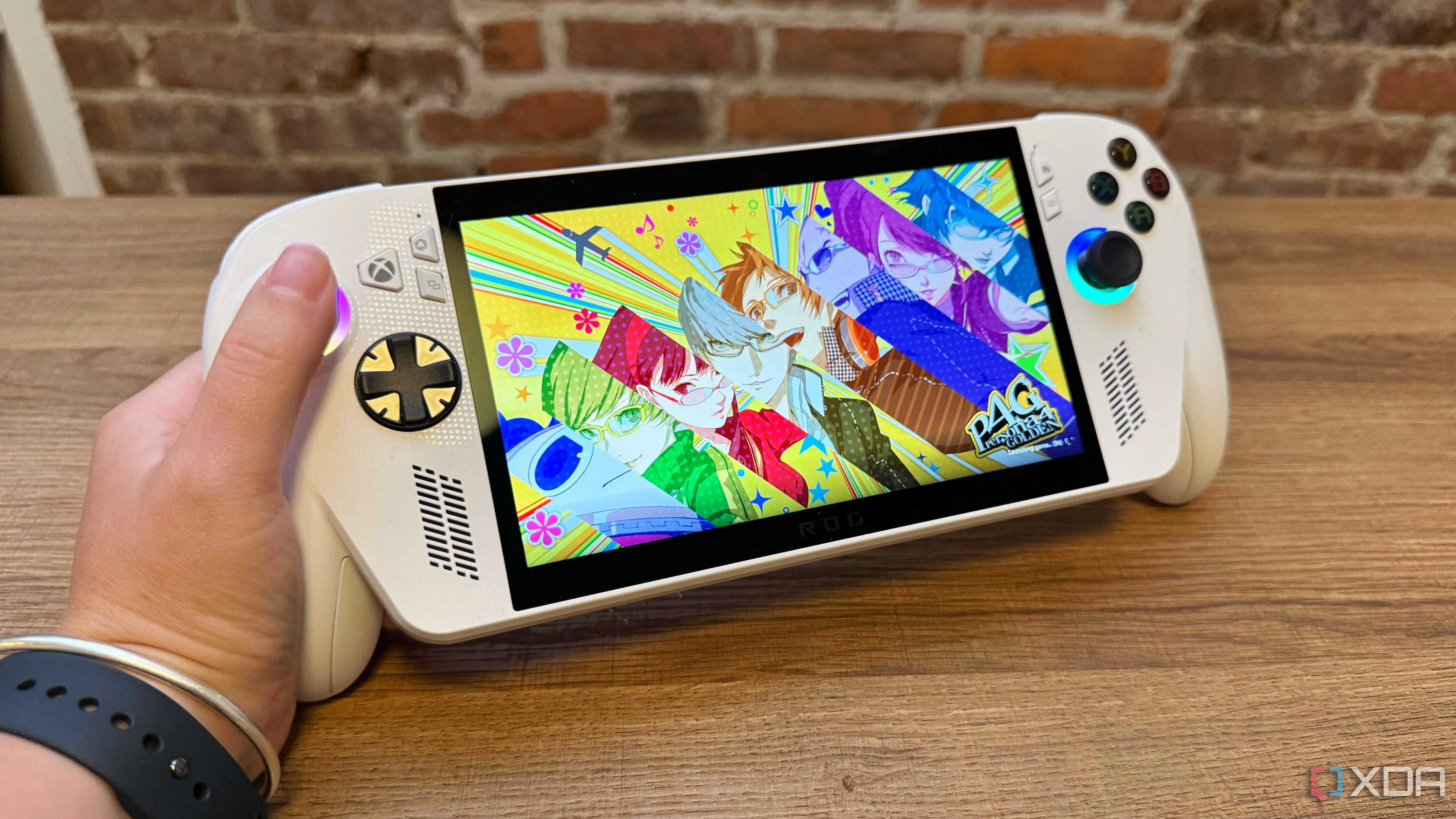
The ASUS ROG Xbox Ally is easily the closest thing to a direct replacement for the Steam Deck OLED in terms of price. With a $599 MSRP, it lands right in the same territory, but takes a very different approach to handheld gaming. Instead of Valve’s Linux-based SteamOS environment, ASUS leans into a heavily Xbox-styled interface that launches users straight into the Xbox app and tries its best to hide the clunky parts of Windows. It’s still Windows underneath, of course, but the streamlined front end does a decent job of keeping things console-like and minimizing the usual background overhead.
Under the hood, the Xbox Ally runs on AMD’s Ryzen Z2A chip, paired with 16GB of LPDDR5 RAM, matching the Steam Deck OLED in memory capacity. The Z2A is the slowest chip in the Ryzen Z2 lineup, though, which makes this handheld feel like a compromise compared to the more powerful options out there. In many ways, it’s closer to what a theoretical ROG Ally 2 might’ve been: a modest upgrade rather than a leap forward. Still, if the Steam Deck OLED is nowhere to be found, the Xbox Ally delivers comparable performance at roughly the same price while offering the flexibility of a Windows gaming ecosystem.
Lenovo Legion Go S (AMD Ryzen™ Z2 GO) – $649
Native SteamOS makes this a fantastic purchase in this budget range
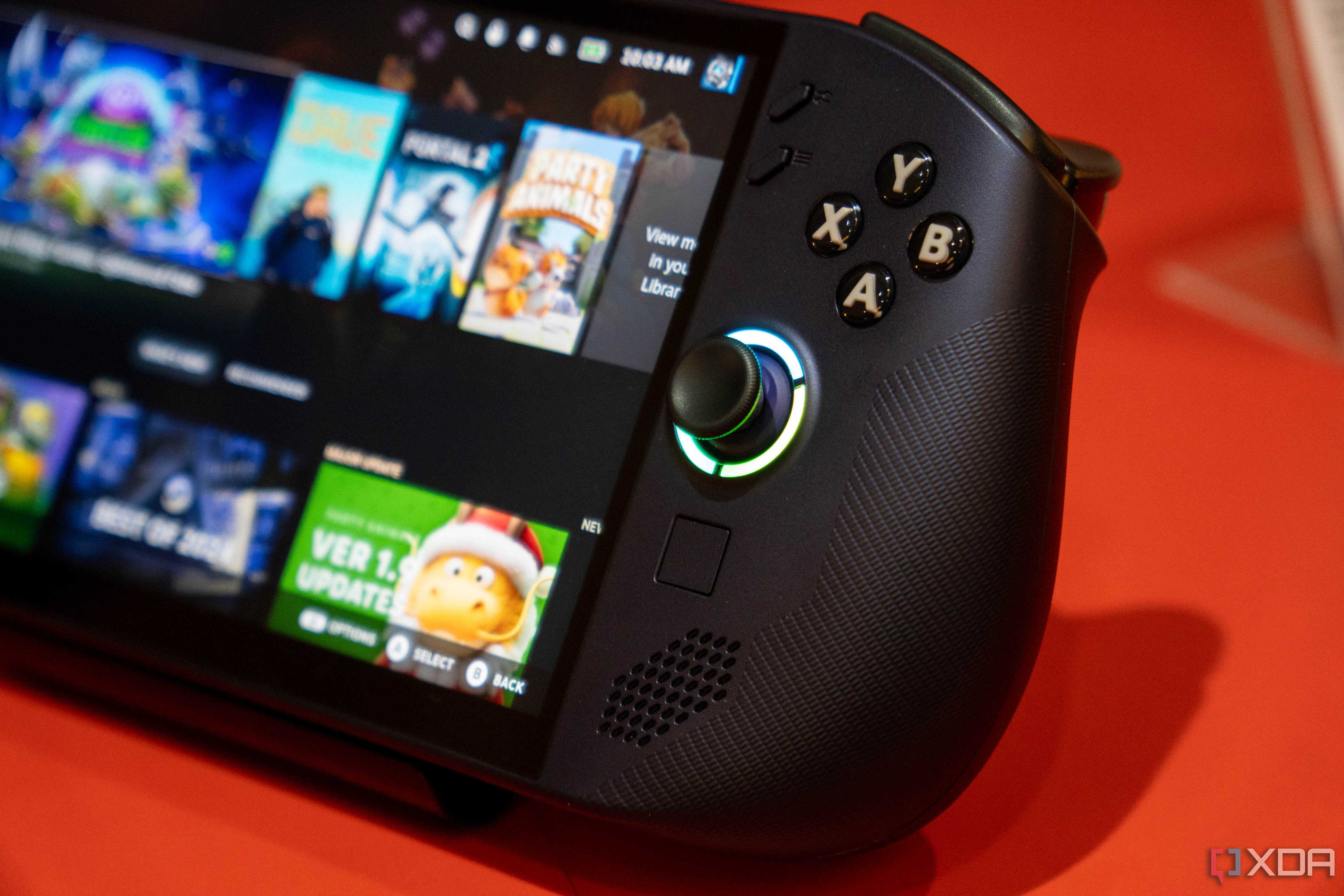
The Lenovo Legion Go S Z2 GO might be one of the most interesting handhelds to come out in recent years. Priced at $649, it actually undercuts the Steam Deck OLED while offering hardware that feels like a more powerful evolution of Valve’s own formula. The key difference is the software here: this version runs SteamOS, which means the system behaves exactly like a Steam Deck — lightweight, streamlined, and focused entirely on putting resources into your games rather than background processes.
Hardware-wise, you’re getting AMD’s Ryzen Z2GO chip (75–80% performant of the Z1E chip), paired with a 1200p 120Hz display, giving the Legion Go S noticeably more performance headroom than the Steam Deck. That translates into higher settings and smoother frame rates in many games, especially when using upscaling technologies like FSR. Battery life is also slightly better than Valve’s handheld, though handheld PCs still aren’t exactly endurance champions. For about $50 more than the Steam Deck OLED, you’re essentially getting the same SteamOS experience, only with faster hardware and a sharper screen, which makes this one of the easiest recommendations on this list.
MSI Claw 8 AI+ – $1,199
If money weren’t an issue, I’d pick this over the Xbox Ally X
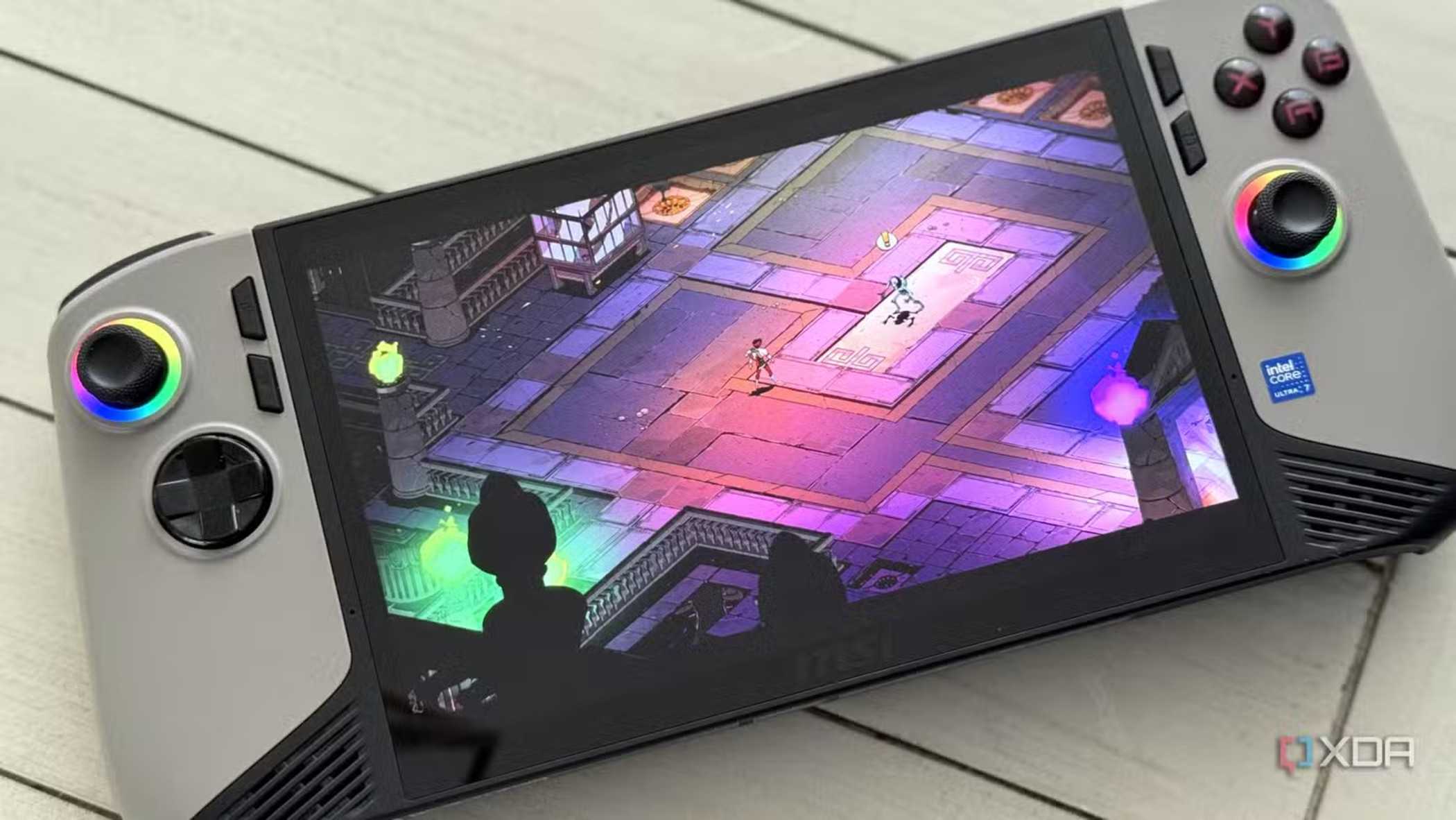
If budget isn’t the primary concern, the MSI Claw 8+ AI is easily one of the most impressive handheld gaming PCs on the market today. The price tag exceeds three digits, which makes it significantly more expensive than the Steam Deck OLED, but it also sits firmly in the “no compromises” category. A larger display, better speakers, additional ports, and impressively quiet cooling all combine to make it feel like a premium device in a space that often prioritizes portability over refinement.
In many ways, the Claw 8 AI+ goes head-to-head with the ASUS ROG Ally X, the elephant in the room. However, MSI manages to carve out an edge through thoughtful hardware decisions. The larger screen makes games feel less cramped, the cooling system stays quieter under load, and the overall build quality gives it a much more polished feel. Yes, it’s definitely capable of blowing a crater in your wallet if you originally had a Steam Deck OLED in mind, but if you’re willing to stretch your spending a bit further for a truly premium handheld experience, this is the one that feels the least like a compromise.
A used ROG Ally X (2024)
The Z1E chip in this remains a brilliant performer
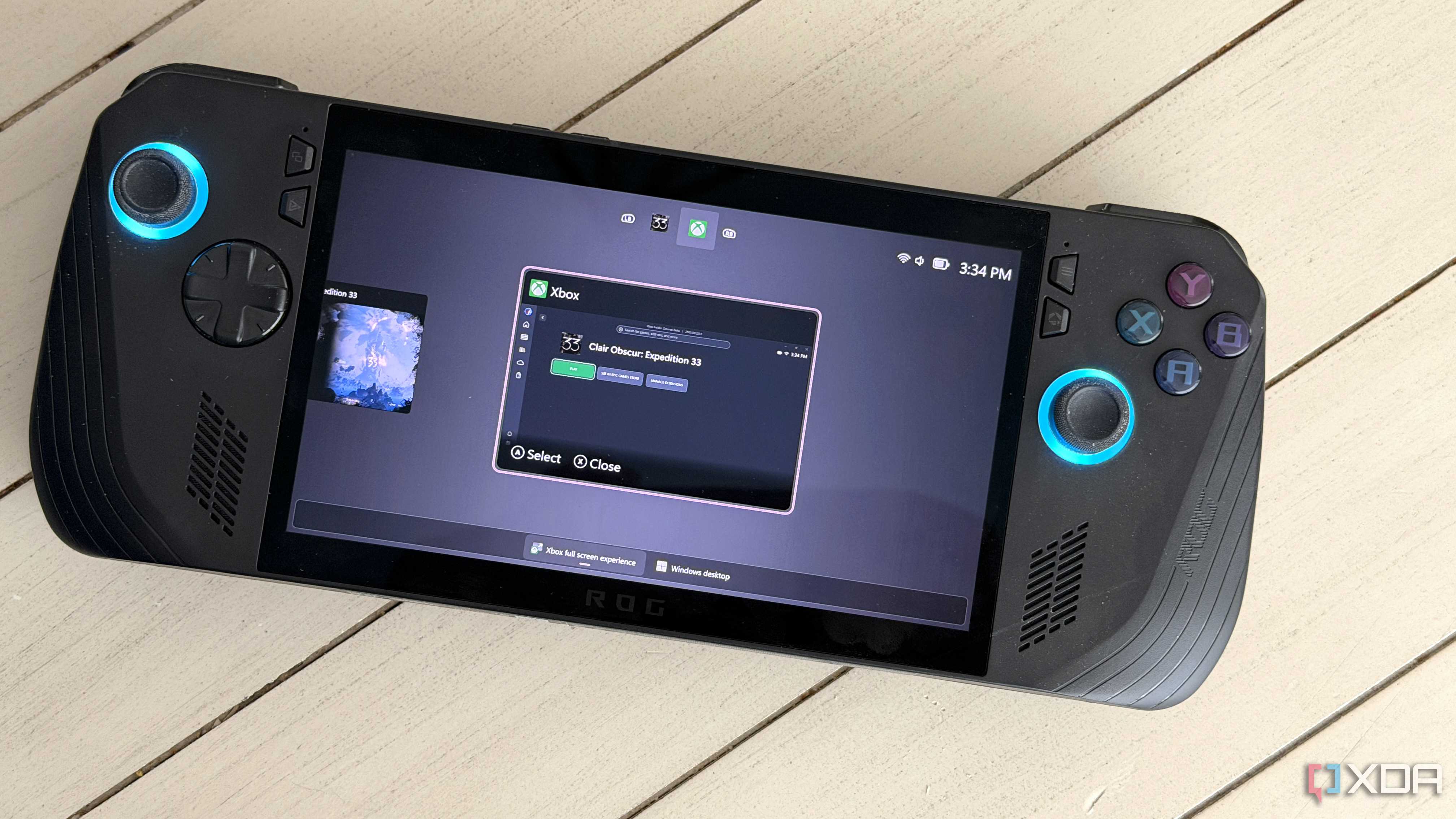
The ASUS ROG Ally X remains one of the most powerful handheld gaming PCs ever made, and if you’re willing to shop in the used market, it can be an incredible deal today. It certainly wipes the floor with the Xbox Ally today, thanks to its Z1E chip still being a rather fantastic piece of silicon. Originally launched with a $799 MSRP, second-hand units are starting to appear at far more reasonable prices now that the Xbox “Allies” have begun taking over the market. For buyers who missed out on the Steam Deck OLED, this could prove to be a fantastic way to jump straight into a higher-tier handheld without paying full flagship pricing.
Under the hood, the Ally X runs AMD’s Ryzen Z1 Extreme, which is still significantly more capable than the Ryzen Z2A found in cheaper handhelds like the Ally. That means you’re not settling for a watered-down experience, and instead getting genuinely strong gaming performance, often well beyond what the Steam Deck OLED can deliver. It’s still somewhat tricky to find good units on the used market, but if you stumbled across one in good condition, it’s absolutely worth considering. Even a year and a half later, the Ally X remains one of the most well-rounded handhelds you can buy.
Gaming handhelds have never been better
I still think they’re best left for playing through your backlog while traveling.
The Steam Deck OLED may be difficult to find right now, but the good news is that handheld PC gaming has never been more competitive. Whether you’re looking for something close in price, a more powerful alternative, or even a premium device, you’d be spoiled for choice in the category.
If anything, the Steam Deck’s success has really sparked a wave of innovation, and in 2026, handheld gamers are the ones benefiting the most. I still believe handhelds are best left for running through your backlog of older games while you’re traveling or away from your primary gaming rigs, but even if you don’t agree, the one thing we can concur with is that the handheld market has never been more fantastic.