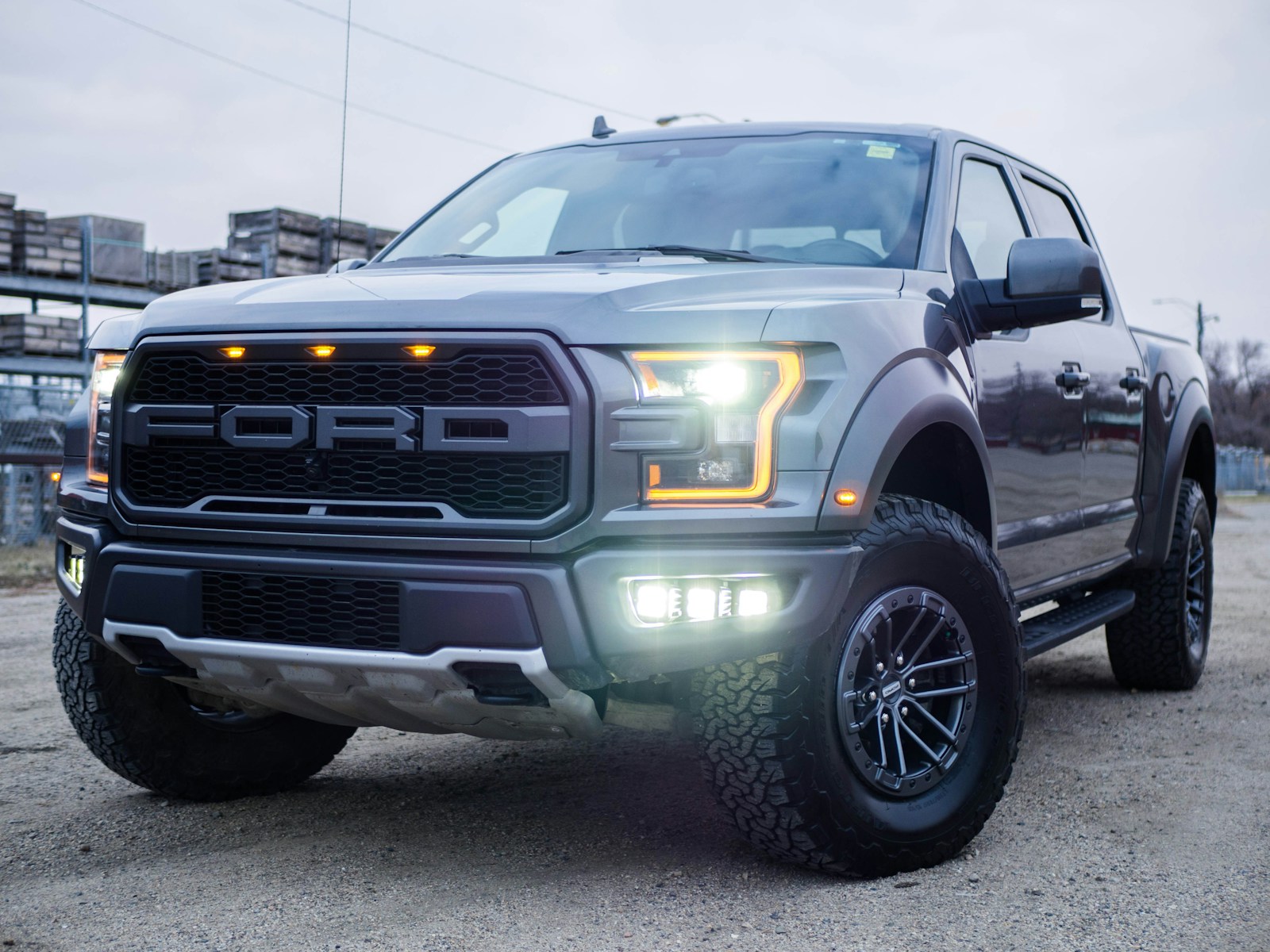
Ford is recalling approximately 1.74 million vehicles in the United States over rearview camera failures that can leave drivers with a blank, frozen or distorted screen when they shift into reverse. The National Highway Traffic Safety Administration disclosed the two related campaigns in March 2026, marking the latest chapter in a string of backup-camera recalls that now stretches across more than a dozen Ford and Lincoln nameplates and multiple model years.
What the March 2026 recalls cover
The two new campaigns affect a combined 1.74 million trucks, SUVs and cars. One targets roughly 850,000 2021-to-2026 Ford Bronco and 2021-to-2024 Ford Edge models under campaign number 26S09, according to Ford Authority. The second covers additional vehicles whose camera image can display incorrectly or disappear entirely when the transmission is in reverse. Reuters reported that Ford filed both recalls with NHTSA after determining the defects could violate federal motor vehicle safety standards requiring a rear visibility image.
NHTSA’s filings indicate the failures can stem from different root causes depending on the model. In some Bronco and Edge vehicles, the camera module may not be properly secured to the body, causing the signal to cut out. In others, wiring, connectors or software faults prevent the camera feed from reaching the center display. The Wall Street Journal noted that NHTSA flagged the loose-camera issue specifically in certain 2021-to-2026 models, warning it could lead to collisions while reversing.
How the defect shows up on the road
Owners have described shifting into reverse and seeing nothing on the center screen, or watching the image flicker and scramble before going dark. Because the failure can be intermittent, some drivers experience it only occasionally, which makes it harder to predict and easier to dismiss until it happens at the worst possible moment, such as backing out of a driveway where a child or pedestrian could be standing.
Federal safety standards have required backup cameras on all new passenger vehicles sold in the United States since May 2018, a rule adopted specifically to reduce the roughly 200 fatalities and 12,000 injuries that NHTSA once attributed to backover crashes each year. When the camera feed fails, drivers are supposed to rely on mirrors and shoulder checks, but years of muscle memory built around the screen can delay that switch by critical seconds.
A pattern that predates the latest action
The March 2026 recalls did not come out of nowhere. Ford issued a separate recall of nearly 1.5 million vehicles in September 2025 after owners reported blank or distorted backup camera images across models including the Escape, Fusion and Mustang spanning model years from 2015 to 2025. The Associated Press reported at the time that the camera image could disappear or become corrupted, leaving drivers unable to see children, pedestrians or other vehicles behind them.
A month later, in October 2025, Ford recalled an additional 1.4 million vehicles over similar camera faults affecting the Explorer and Escape, among other models. CBS News reported that camera defects were accounting for a growing share of the automaker’s safety actions. Taken together, the overlapping campaigns have touched well over four million vehicles across nameplates ranging from the Mustang and Ranger to the Lincoln Navigator, Expedition, F-Series Super Duty trucks, Transit vans and Econoline.
Safety advocates at Motor Safety have tracked the cluster of recalls and noted that the recurring nature of the camera failures raises questions about whether the underlying engineering has been adequately addressed or whether each fix has simply shifted the problem to a different set of vehicles.
What regulators are saying
NHTSA has treated the camera failures as genuine safety defects rather than infotainment glitches. The agency classified the March 2026 issues as violations of Federal Motor Vehicle Safety Standard No. 111, which governs rear visibility, giving the recalls legal weight and requiring Ford to notify every affected owner by mail and provide a free remedy.
The agency’s online recalls database allows owners to check whether their vehicle is covered by entering the 17-character vehicle identification number (VIN) found on the driver-side dashboard or inside the driver’s door jamb. NHTSA updates the database as Ford finalizes its owner notification schedule.
What owners should do now
If you drive a Ford or Lincoln built between 2015 and 2026, here are the steps worth taking right away:
- Check your VIN. Enter it at nhtsa.gov/recalls to see whether any open campaigns apply to your vehicle. You can also call Ford’s customer service line at 1-866-436-7332.
- Do not ignore the mailed notice. Ford is required to send a letter to every registered owner of an affected vehicle. The letter will explain the specific defect, the remedy and how to schedule a dealer appointment. The repair is free.
- Test your camera before every drive. Shift into reverse while parked and confirm the image is clear and responsive. If the screen is blank, frozen or distorted, do not rely on it. Use your mirrors and turn to look directly behind the vehicle.
- Keep records. If you have already paid out of pocket for a camera repair that turns out to be covered by one of these recalls, save your receipts. Ford’s recall terms typically allow reimbursement for prior repairs related to the defect.
Ford has not disclosed the exact repair for every affected model, but past camera recalls have involved replacing the camera module, updating software or securing loose mounting hardware. Dealers will perform the specific fix outlined in each campaign’s service bulletin at no cost to the owner.
More from Wilder Media Group:
- 6 Hot Wheels Cars That Can Sell for Thousands
- 8 Vintage Cars That Have Exploded in Value Since the ’70s
- 9 Classic Cars From the ‘70s That Are Now Worth a Fortune
- 9 ’80s Toy Cars That Are Now Hot Collector’s Items