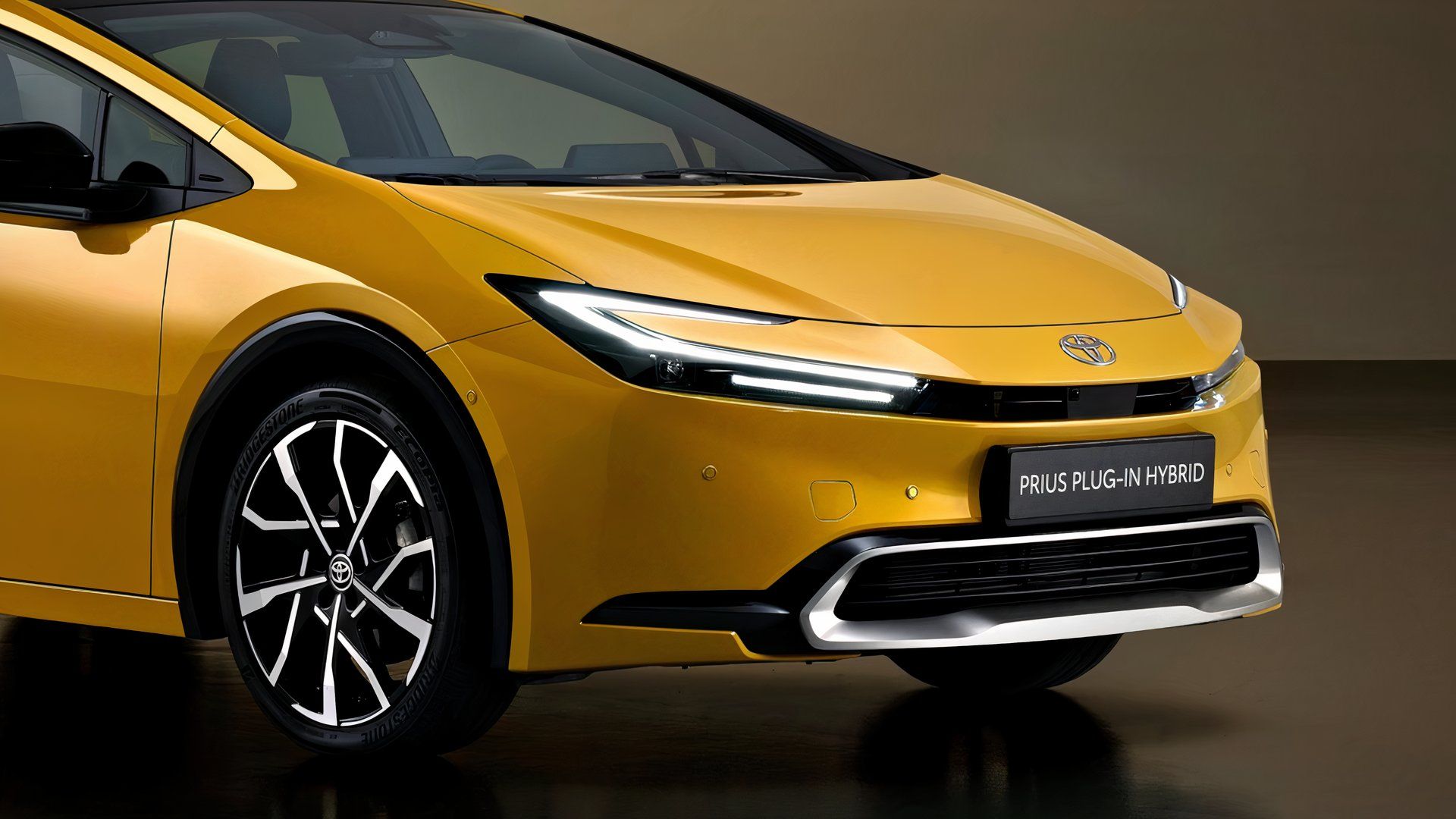
As the popularity of hybrid vehicles like the Toyota Prius and Toyota Camry continues to rise, it’s increasingly likely that you’ll be considering one as your next used car purchase.
That comes with the usual list of things to check over when buying a used car, like maintenance records, the condition of the engine, bodywork, and key chassis components, but also the added complication of its hybrid element. With that in mind, there’s one part in particular you should pay close attention to.
The Battery: Why You Should Check It
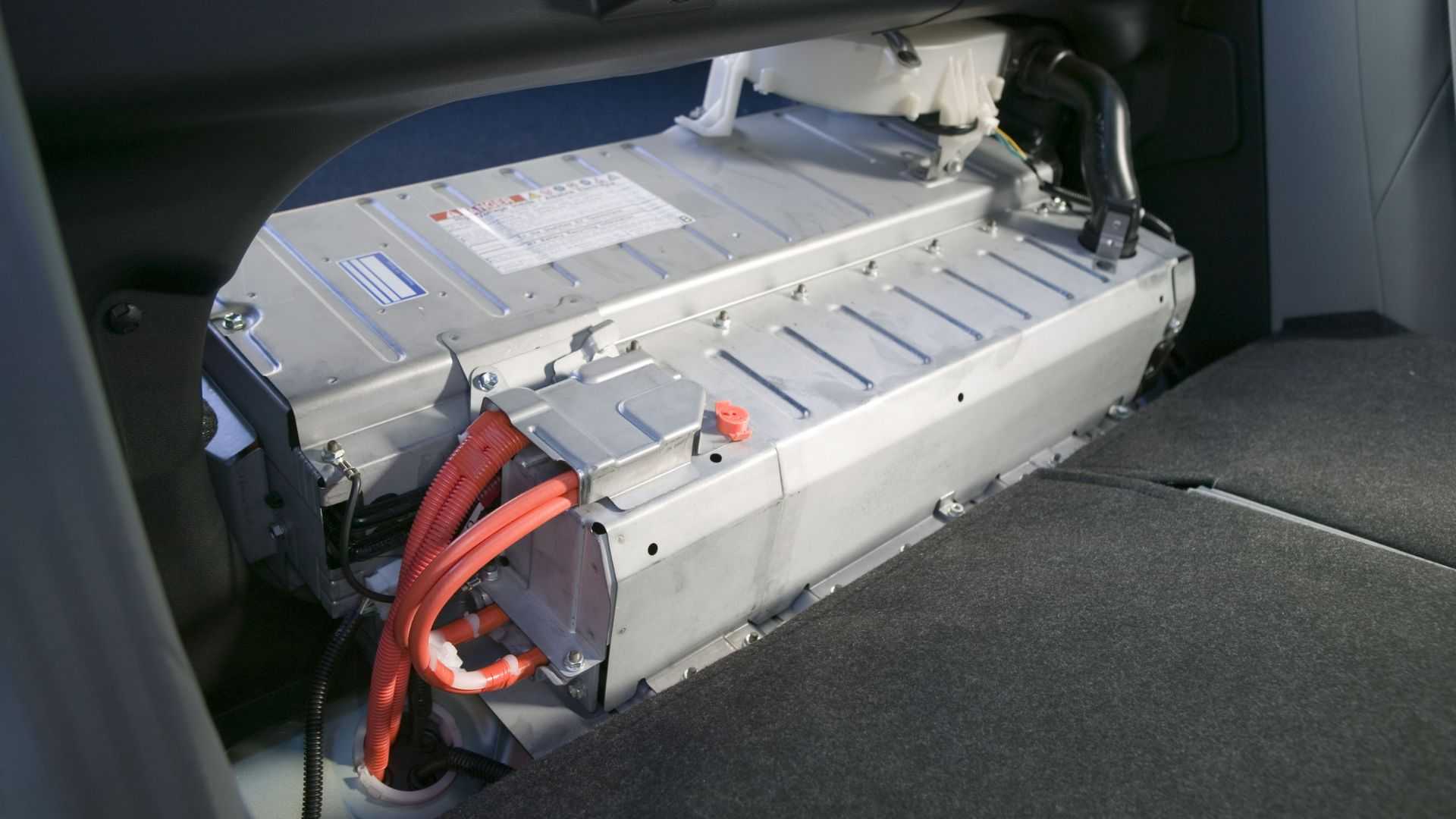
To state the obvious, every hybrid car will have a battery in its powertrain, no matter the extent of its hybridization. This applies to vehicles with motors directly connected to the wheels or housed within the transmission, plug-in hybrids, and ‘self-charging’ systems, all of which use a battery. After all, that’s where the motors will draw power from.
That means a defective battery can cause several issues. While some hybrids will be able to operate without battery power, they will do so at a significant performance and fuel economy loss. They may even enter a state of limp mode if battery damage is severe enough, operating at a crawling pace.
Even functional, but well-worn, batteries can present a set of issues. While outright performance may not be affected as strongly, a worn battery will hold less charge, which can reduce fuel economy dramatically. Not to mention the value of the vehicle when it comes to selling it again, if you need to factor in a replacement.
How Long Should A Hybrid Battery Last?
Modern battery technology may be incredible, but it’s not infallible. Eventually, all hybrid car batteries will diminish and need replacing. The good news is that it doesn’t need to be very often.
The expected lifespan of a hybrid car’s battery will vary depending on the vehicle, its capacity, and ultimately, how much the powertrain will rely on its usage. That said, manufacturers all appear to agree on a rough ballpark.
It’s noted by Lexus, Kia, and Honda that hybrid car batteries are to be replaced roughly every 15 years or 150,000 miles, though this isn’t an exact science. Some may be able to go well beyond this threshold, while others may need a change sooner.
Federal law mandates that hybrid batteries must be warranted by manufacturers for a minimum of eight years or 100,000 miles, usually upheld to whichever is sooner. Worth keeping that in mind if you’re shopping for a relatively new hybrid vehicle that may still be within its manufacturer’s warranty.
How Can I Check Battery Health?
There are a few ways to check the health of a used hybrid car’s battery yourself. First and easiest is to check for any warning lights on the car’s dashboard itself, with battery faults often indicated by a check engine light.
Your next port of call is to use an OBD reader, which can be plugged into the OBD-II port on a hybrid vehicle. While this may not scream any issues at you, it can provide an indication of potential problems if you know fault codes and abnormal data to look for. It’ll be better to have a trained technician do this for you, if you’re able to.
In addition, a simple test drive can help identify any potential issues. When driving the vehicle, look out for any unusual dips in performance when accelerating or any irregular fuel economy readings. While not always a definitive indicator of the health of a battery, these can help to identify issues along with other methods.
How Much Does A Hybrid Battery Cost To Replace?
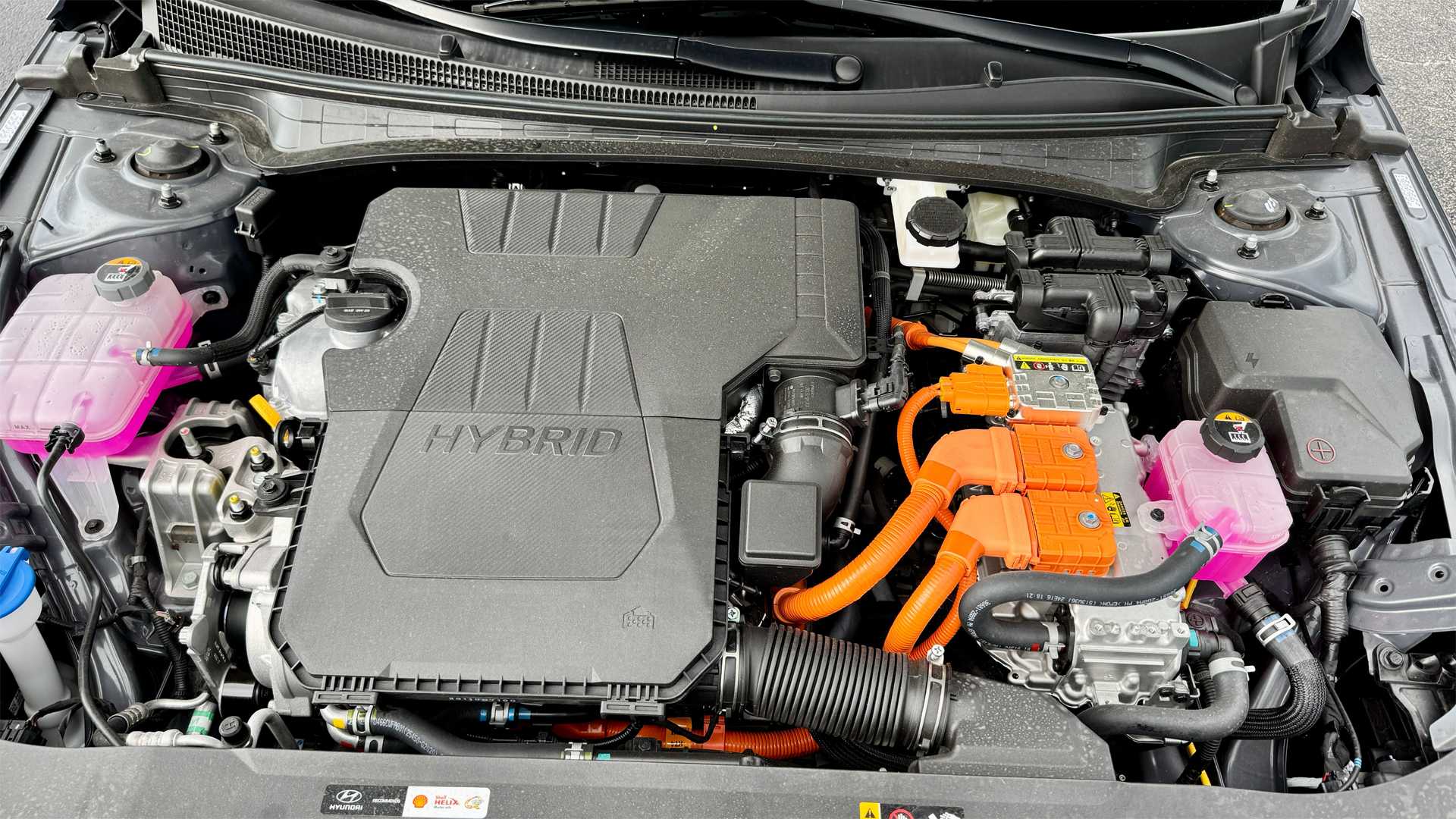
The cost of replacing a hybrid vehicle’s battery will depend on several factors, including the model of the car, the capacity of the battery, and the complexity of its removal and installation. There’s no one definitive blanket answer.
Regardless, expect this to be a costly procedure. Unlike a 48V battery, which can easily be removed and replaced for less than $100 in many cases, a hybrid battery is a much higher capacity and tends to be deeply integrated within a car’s powertrain.
Expect it to be several thousand dollars for a replacement and fitting, with manufacturers generally quoting a range of $2,000 to $8,000 for a typical hybrid battery swap.
Can I Replace A Hybrid Battery Myself?
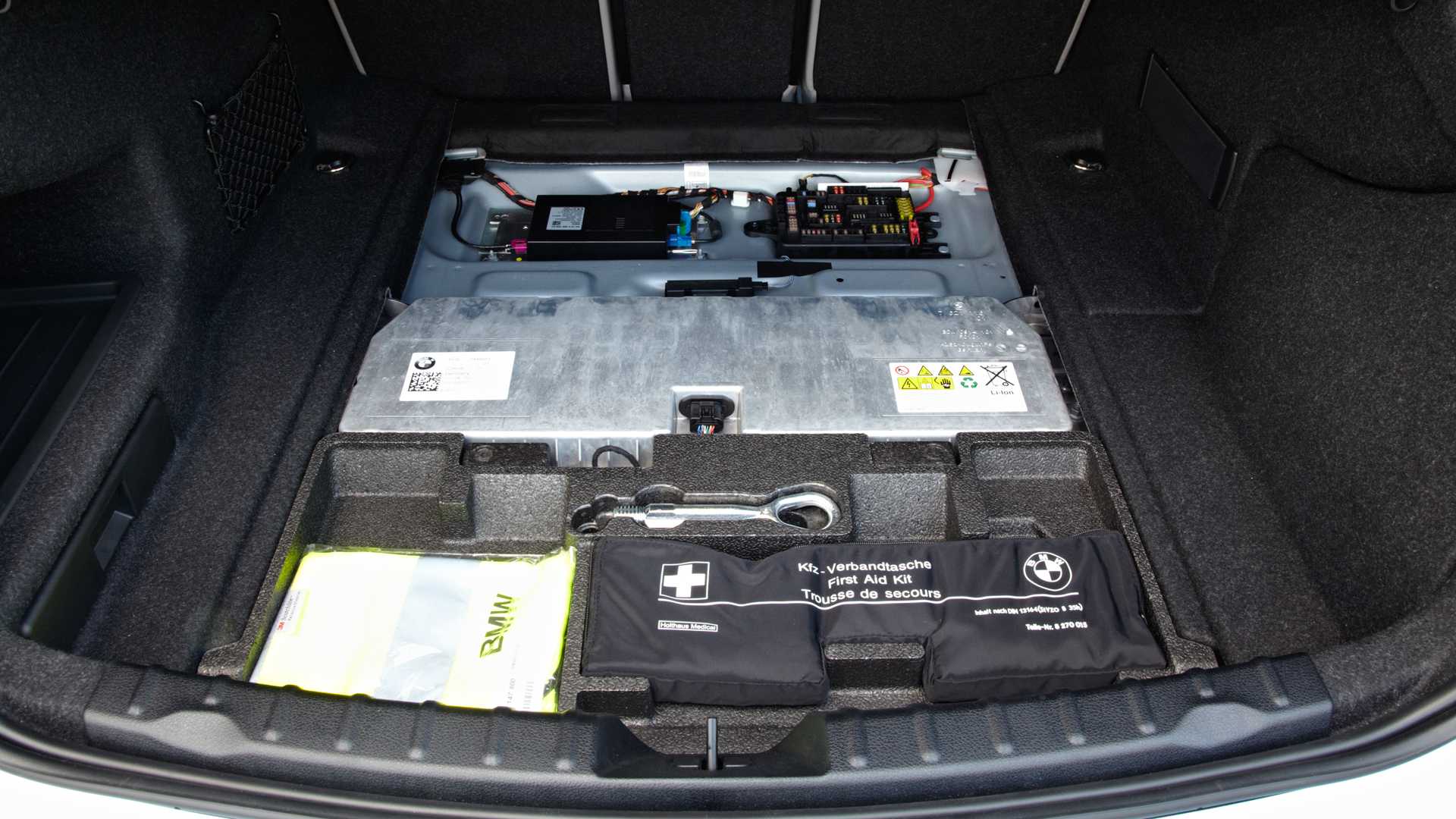
While it may be tempting to save money on labor and install a new hybrid battery yourself, it’s often a complex procedure that requires a specific tool and skillset, so we’d only recommend taking it on yourself if you’re used to difficult repair jobs and have experience with electronic powertrains already.
If you do, expect it to be a lengthy process. Most vehicles will have battery systems bolted underneath the trunk or rear seats, and deeply connected to the powertrain.
Our suggestion would be to leave the job to the professionals if you’re anything less than 100% confident in safely and properly replacing the battery pack. You would also need to consider safe and legal disposal of the old unit, in accordance with federal and state laws.
How Can I Extend The Life Of A Hybrid Battery?
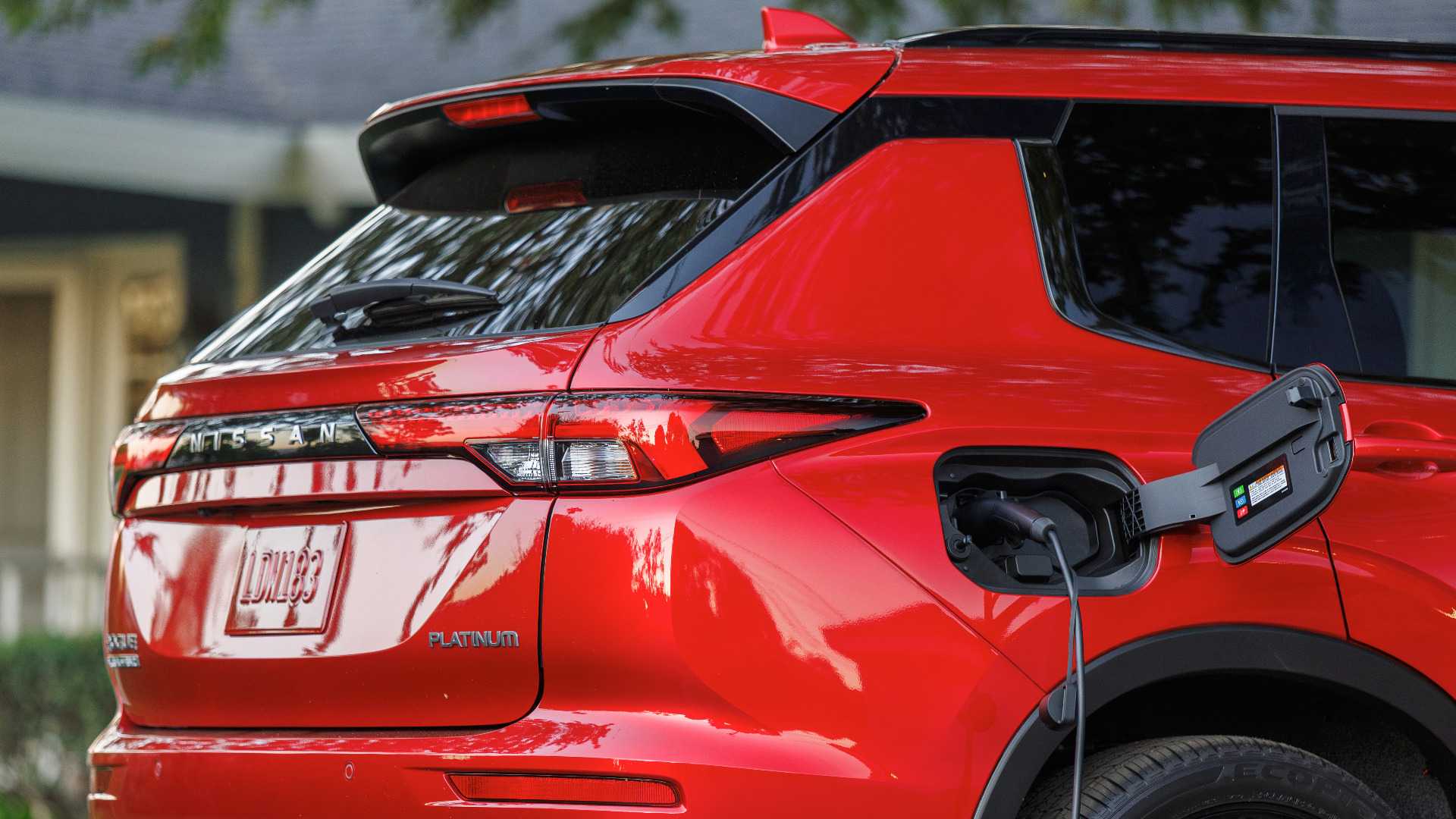
As with any battery-powered device, proper care will help to extend the typical life of a hybrid battery.
Regularly using the vehicle will keep the lithium-ion batteries charged, which is essential to keeping them healthy. Completely discharged batteries can suffer from short circuits and serious damage, so it’s best to maintain a partial charge.
You shouldn’t need to overthink this in regular driving use. Both ‘self-charging’ and plug-in hybrid vehicles typically recuperate energy from use, so they should always have some state of charge, even if it’s minimal.
If you’re using a hybrid vehicle sporadically, say a high-performance sports car with a plug-in element as a weekend toy, keeping the battery topped up is a wise idea, ideally within a 20-80% range.
Also, be mindful not to block any battery cooling vents. Underfloor packs may have connected fans that help to regulate the temperature and prevent harmful overheating, so avoid blocking these if you’re making use of the space under the trunk floor.
Our Top Used Hybrid Picks
Honda Accord Hybrid
Average Price: $19–22,000
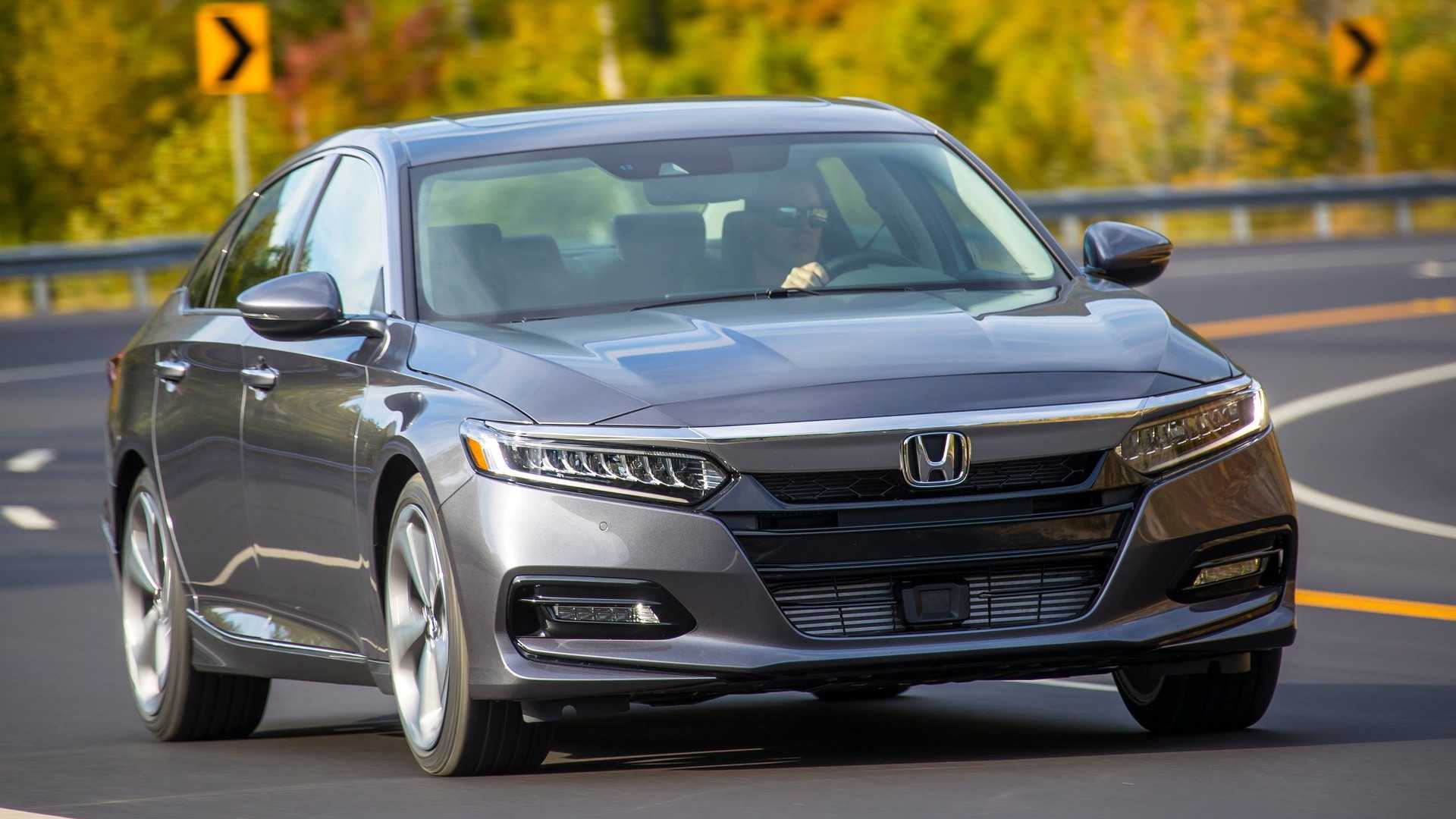
If it’s an American automotive outlet picking the best mid-size sedan, you can expect to see a Honda Accord Hybrid on there. With one of the best interiors in the segment and a lot of legroom both in the front and rear, we have a lot of love for the Accord.
Toyota Camry Hybrid
Average Price: $17–21,000
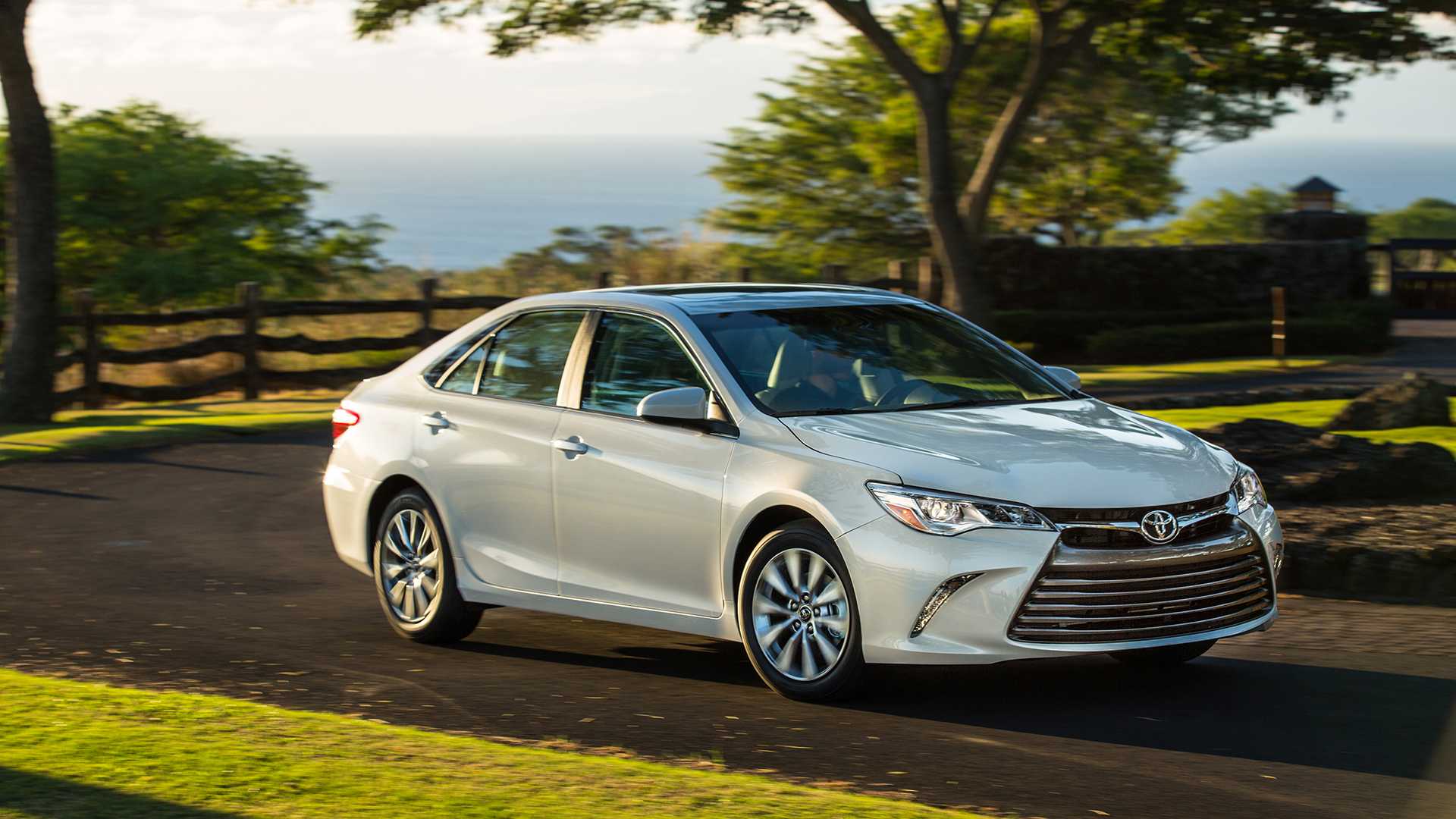
Toyota is consistently at the top of the game when it comes to hybrid vehicles, and the Camry has been no exception to that. With exceptional reliability, a comfortable ride and a positively forgettable ownership experience, it’s no surprise your last and next Uber is probably a Camry Hybrid.
Honda CR-V
Average Price: $21–23,000
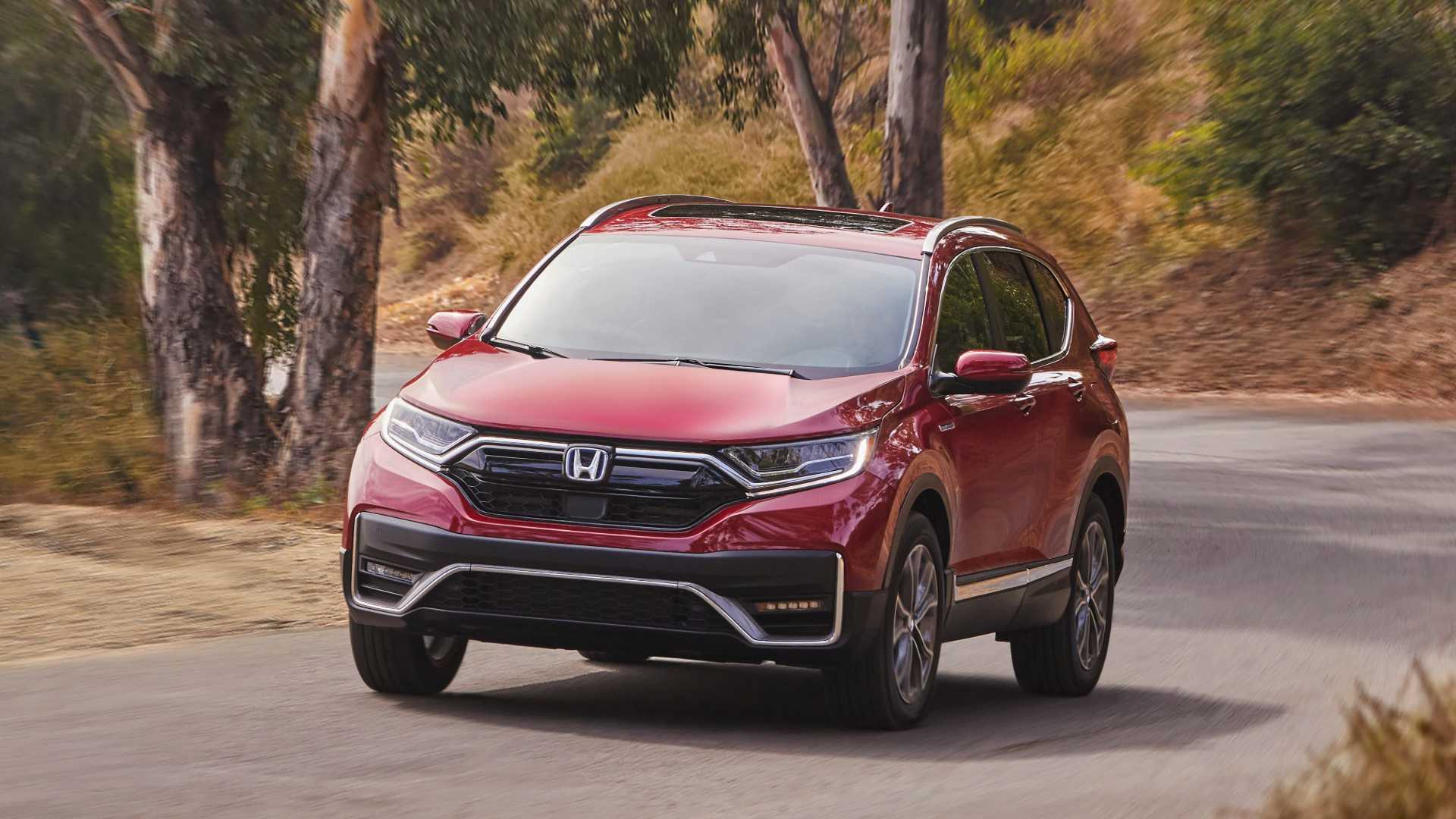
Need a hybrid vehicle with plenty of space for the family? The Honda CR-V is the very best in its class. With exceptional residual values, impressive fuel economy, and a boatload of trunk space, this truly is one of the most versatile vehicles on the market.
Sources:Honda Universe, Kiefer Kia, Lexus of Clearwater