LAS VEGAS (KLAS) — Long before Las Vegas became the entertainment capital it is today, Black women were helping shape the city’s culture, media, and business community — often during a time when segregation limited where they could live, work, and perform.
During the 1950s and 1960s, many Black entertainers who performed on the Las Vegas Strip were not allowed to stay in the hotels where they worked. Instead, they built careers and community in the city’s Historic Westside, which became the center of Black culture and business in Las Vegas.
Historians say the contributions of Black women during that era helped shape the city’s cultural and economic identity.
Anna Bailey
Anna Bailey is often remembered as one of the most recognizable Black entertainers in early Las Vegas.
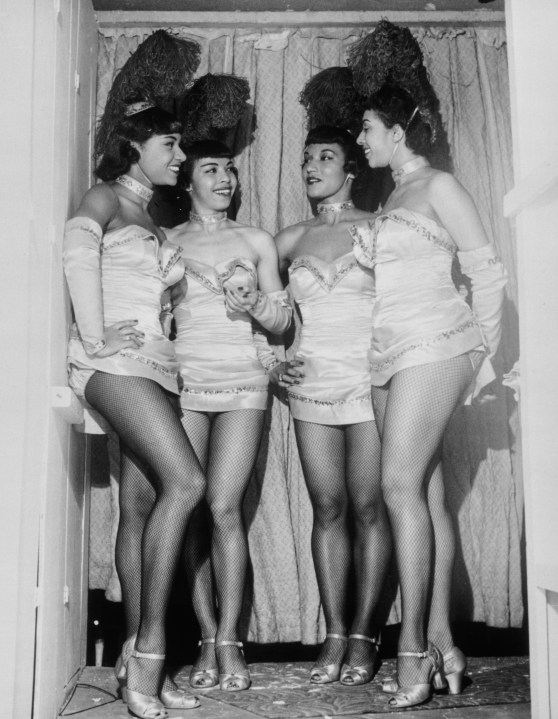
Bailey performed as a showgirl at the Moulin Rouge Hotel and Casino, which opened in 1955 as the first racially integrated resort in Las Vegas.
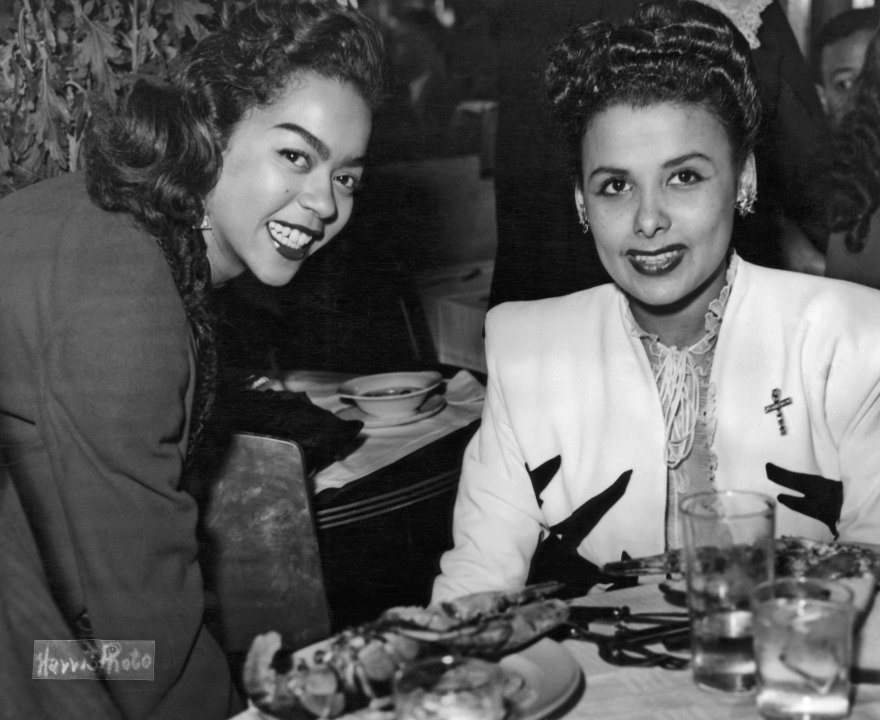
The Moulin Rouge quickly became a gathering place for entertainers, including Sammy Davis Jr., Nat King Cole, and Lena Horne, according to the Nevada State Historic Preservation Office.
Bailey later became a well-known community leader and philanthropist and was often referred to as the ‘First Lady of Las Vegas.’
Sarann Knight-Preddy
Sarann Knight-Preddy broke barriers in the gaming industry.
She became the first Black woman in Nevada to receive a gaming license, according to the Nevada Gaming Control Board.
Knight-Preddy owned and operated the Tonga Club on Jackson Avenue during the 1960s and later purchased the historic Moulin Rouge property in 1989 in an effort to preserve its legacy.
Brenda Wynn
Brenda Wynn made history inside Las Vegas casinos.
She became the first Black female dealer on the Las Vegas Strip in the 1970s at the Landmark Hotel, according to the UNLV Oral History Research Center.
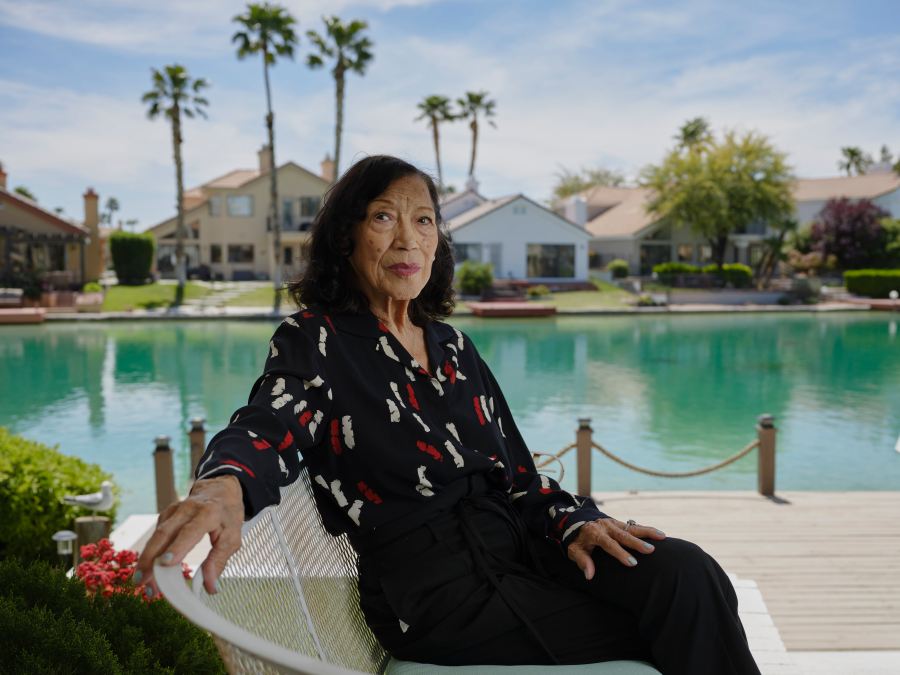
Wynn later served on the Nevada Gaming Commission and remained active in community advocacy.
Hattie Canty
Hattie Canty became one of the most influential labor leaders in Las Vegas history.
Canty served as president of Culinary Workers Union Local 226 in the early 1990s and helped lead a six-year strike against the Frontier Hotel — one of the longest labor strikes in Las Vegas history.
Her leadership helped strengthen protections and benefits for thousands of hospitality workers.
Dr. Shirley Barber
Dr. Shirley Barber helped break barriers in Las Vegas journalism.
Barber became one of the first Black female television journalists in Las Vegas, reporting on community issues and hosting public affairs programming focused on Southern Nevada.
According to the Nevada Broadcasters Association, Barber later became an educator and mentor to young journalists entering the field.
Ruby Duncan
Ruby Duncan is widely known for her work fighting poverty in Las Vegas, but her activism also helped amplify the voices of Black communities in local media and politics.
Duncan founded Operation Life, a community organization that provided health care, job training, and social services to families in the Historic Westside.
According to the UNLV Oral History Research Center, Duncan’s advocacy helped bring national attention to issues affecting low-income communities in Las Vegas during the 1970s.
Lena Horne
Legendary singer and actress Lena Horne also played a role in pushing Las Vegas entertainment toward integration.
Horne performed frequently in Las Vegas during the 1950s and was among the entertainers who challenged segregation policies that limited where Black performers could stay and socialize after their shows.
According to the Smithsonian National Museum of African American History and Culture, performers like Horne helped challenge discriminatory practices in entertainment venues across the country.
The Moulin Rouge Showgirls
The opening of the Moulin Rouge Hotel and Casino in 1955 created new opportunities for Black women in entertainment.
The resort’s dancers became some of the first Black showgirls to perform in Las Vegas during a time when many Strip venues were still segregated.
Although the Moulin Rouge closed after only a few months, historians say the property played a key role in the agreement that helped end segregation on the Las Vegas Strip, according to the Nevada State Historic Preservation Office.
From entertainment and business to labor, media, and activism, Black women helped shape the cultural and economic foundation of modern Las Vegas.
During Women’s History Month, their stories highlight the role Black women played in building the city long before it became the global entertainment destination it is today.
Copyright 2026 Nexstar Media, Inc. All rights reserved. This material may not be published, broadcast, rewritten, or redistributed.
For the latest news, weather, sports, and streaming video, head to KLAS.