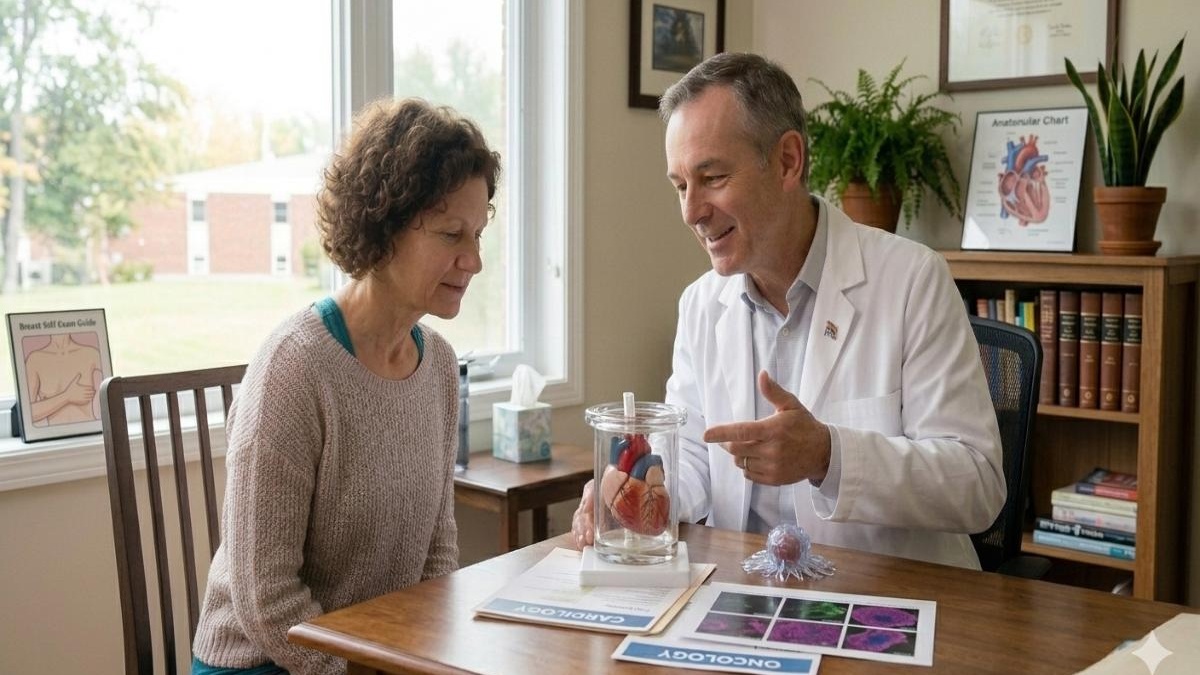
Waiting to learn whether you have cancer can quickly send your mind spiraling toward the worst-case scenario. With cancer affecting millions of people each year, even a small health scare can feel overwhelming. Skin cancer, the most common form of cancer in the United States, is expected to affect more than two million Americans this year, making awareness and early detection more important than ever.
A Suspicious Mole Sparks Concern
The anxiety began when a mole on the writer’s cheek started to change. It grew darker, slightly larger, and began to itch and scab—classic warning signs doctors often advise people to watch for. Concerned about the changes, specialists at NYU Langone Health’s Perlmutter Cancer Center removed the mole and sent it for testing to determine whether it was melanoma, the deadliest form of skin cancer.
A Frightening Week Waiting for Answers
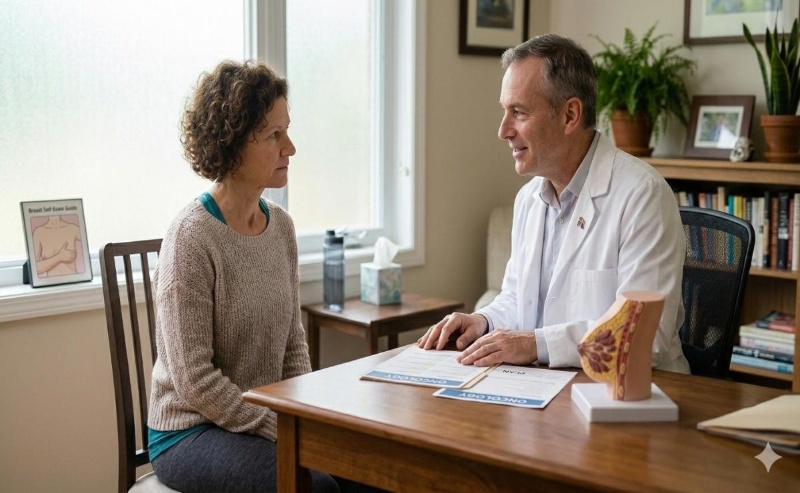
While waiting for the biopsy results, the uncertainty was difficult to manage. Thoughts about future treatments, lifestyle changes, and how to share the news with family filled the days leading up to the call from the doctor. In the meantime, the writer began making small health changes—drinking less alcohol, eating more whole foods, getting more sleep, and focusing on staying as healthy as possible while awaiting the diagnosis.
Relief, but Not Without a Warning
When the results finally arrived, the news was cautiously reassuring. The cells were not melanoma, but doctors found features that could potentially develop into it in the future. The recommendation was to monitor the area and return for follow-up examinations, highlighting how closely suspicious skin changes must be watched.
Why Early Detection Makes a Difference
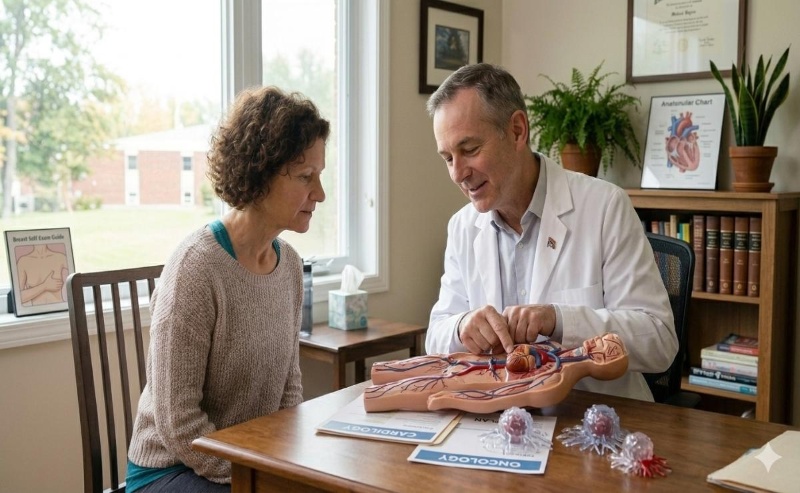
The experience underscores a critical message about skin cancer: early detection can dramatically improve outcomes. According to experts, when melanoma is found early, the five-year survival rate is about 99 percent. Doctors encourage monthly skin checks to watch for new or changing moles, sores that do not heal, or spots that itch, bleed, or crust. Catching these changes early—and consulting a doctor when something seems unusual—can make all the difference.