Most people assume that reaching 100 years old comes down to good genes or a bit of luck. But one of the world’s most respected longevity scientists says the real answer might be sitting on your dinner plate every single night. In a major interview with The New York Times in March 2024, Valter Longo, PhD, a professor of gerontology and biological sciences and the director of the USC Longevity Institute in California, shared the remarkable findings he’s learned about longevity by studying his home country of Italy. What he found wasn’t just surprising – for many people, it was uncomfortable. The foods he flagged aren’t exotic or obscure. They’re the everyday staples that fill tables from Rome to rural America.
Longo has been studying longevity in Italy for nearly 20 years, and having grown up in regions like Molochio, Calabria, he has been interested in how to live longer for basically all of his life. In 1989, he officially started researching what it takes to make it to age 100 and beyond. His conclusions have since shaped an entire approach to eating that challenges everything most Western diets are built around. One of Longo’s biggest takeaways in his studies is that “diet is by far the most important” factor in determining how long and how well we live.
Pizza: The Beloved Culprit
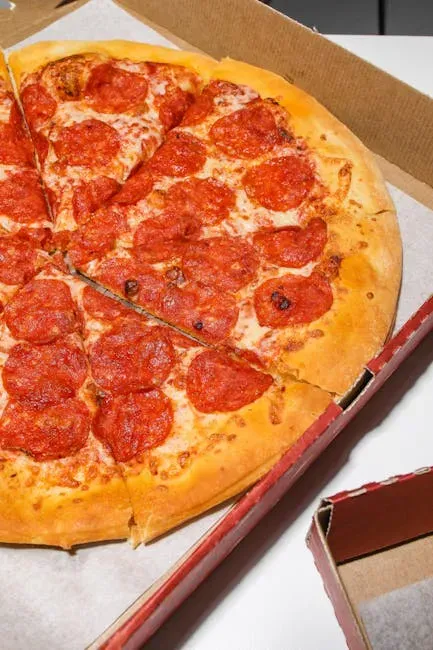
Pizza may be delicious, but it often combines refined flour, processed meats, and excess cheese. That trio can deliver high levels of saturated fat, salt, and empty calories. Dr. Longo’s concern is not that pizza is inherently evil in small amounts, but that it’s become a dietary staple rather than an occasional treat. The so-called “Poisonous Ps” represent foods that can contribute to inflammation, weight gain, and poor metabolic health when consumed too often. Professor Longo, who directs the USC Longevity Institute in California and runs a lab at a cancer institute in Milan, has discovered that “almost nobody in Italy eats the Mediterranean diet” anymore. Instead, Italy’s youth are battling rising obesity rates due to what he calls the “poisonous five Ps.” What makes this discovery particularly striking is that Sardinia, Italy, was the first of the five Blue Zones to be discovered – regions where people consistently live past 100 years old. The irony, as Longo sees it, is that the very country once celebrated for its longevity is now undermining it one pizza slice at a time.
Pasta: When Comfort Food Becomes a Problem
Pasta has long been a comfort food across the world, yet refined varieties can cause blood sugar spikes and leave you feeling sluggish. Dr. Longo notes that wholegrain versions in modest portions are a better option for long-term health, offering fibre and slower-digesting carbs. The problem, he emphasizes, is portion size and frequency, not pasta itself as a concept. He says pasta and similar foods “are very good ingredients. They just happen to be problematic,” because “people just eat tons of it, and they become sugar very quickly, almost as quickly as table sugar.” Pasta, bread, and fruit are healthy options in themselves, but no longer healthy when they are consumed in excess and without fiber. Longo’s own foundation reinforces this, noting that the fix isn’t to eliminate pasta but to rethink how it’s served. Instead of filling a plate with pasta only, adding legumes and vegetables and reducing the amount of pasta creates a plentiful dish that is both filling and satisfying. It’s a small shift that, over decades, could make a significant difference.
Protein: Too Much of a Good Thing
Of all five poisonous Ps, protein is probably the most controversial. After all, high-protein diets have been aggressively marketed for decades as the key to health and weight management. Perhaps the most controversial of the five Ps is protein, especially since most health experts constantly emphasize its importance. While essential for health, protein can become problematic when consumed excessively or in the form of processed meats, with high animal-based protein intake linked to increased risk of certain cancers and cardiovascular diseases. The science backing Longo’s concern here is substantial. Respondents aged 50–65 reporting high protein intake had a 75% increase in overall mortality and a 4-fold increase in cancer death risk during the following 18 years. These associations were either abolished or attenuated if the proteins were plant derived. One proposed mechanism underlying the benefits of protein restriction lies in its effects on IGF-1. Lower protein intake has been associated with decreased IGF-1 production and signaling, which is linked to reduced risk of cancer and slower aging. Longo’s own solution is straightforward: “Eat mostly vegan, plus a little fish, limiting meals with fish to a maximum of two or three per week,” and “consume beans, chickpeas, green peas, and other legumes as your main source of protein.”
Potatoes: The Starchy Trap

Baked, fried, or mashed, potatoes are versatile but can quickly turn unhealthy depending on how they’re prepared. High-glycaemic varieties and fried options like chips can negatively impact blood sugar and weight management.
Dr. Longo suggests limiting them in favour of lower-GI vegetables such as leafy greens or beans. It’s not that potatoes are nutritionally bankrupt – they do contain potassium and vitamin C – but the way most people consume them, fried and processed, strips away any benefit.
Baking or boiling potatoes with their skin on, instead of frying, keeps the fiber and nutrients while avoiding harmful compounds. Data from Blue Zones shows that people living to 100 and beyond focus on whole, minimally processed foods, including beans, greens, nuts, fruits, and whole grains.
Potatoes don’t make the Blue Zone staples list for a reason. Those extra-long-lived communities rely on foods with a lower glycemic impact and richer micronutrient profiles, choosing legumes and vegetables as their dietary foundation instead.
Pane (Bread): The Daily Staple That Can Backfire

Bread is a daily essential for many, yet refined white loaves lack the fibre and nutrients needed for sustained health. Wholegrain and seeded versions are better choices, though moderation is key. Overreliance on refined bread can add unnecessary calories and affect long-term wellness. Longo uses the Italian word “pane” deliberately, nodding to the fact that bread is culturally so central in Italy that people barely register how much of it they consume. White pasta is considered a highly refined carb, as these are starches that have been heavily processed to remove almost everything besides the starch. These foods very quickly are metabolized to sugar, which can drive up inflammation. Studies confirm that diets high in ultra-processed foods increase mortality risk by 62% compared to diets with the least processed foods. Refined bread sits squarely in that category when consumed daily in large quantities. The alternative, according to Longo’s framework, is a diet anchored in whole, fiber-rich foods. He has released The Longevity Diet, which he describes as a “clinically tested diet program, based on decades of research, to fight disease, maintain an ideal weight, and live a longer and healthier life.” The combination of his plant- and nut-based diet with “faux fasting” allows the body’s cells to shed harmful baggage and rejuvenate without being starved. The message is not deprivation – it’s intelligent substitution, and the evidence behind it keeps growing stronger.
Want more stories like this? Follow us and never miss out!