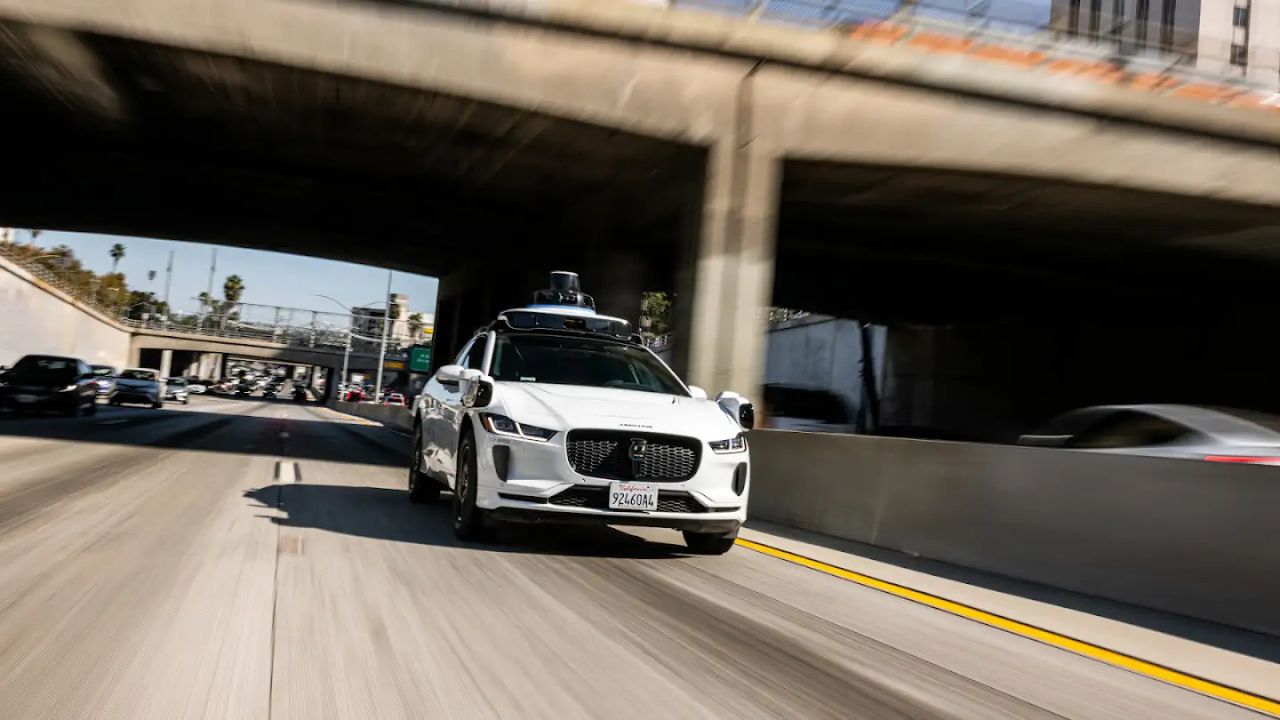
San Francisco’s emergency responders have a new, unexpected job title: unpaid Waymo wranglers. And apparently, they’re not thrilled about it.
City officials aired their frustrations publicly this week during a hearing that dug into a chaotic stretch in late December, when a power outage knocked out traffic signals across parts of San Francisco. Without functioning lights to follow, the city’s fleet of Waymo robotaxis did what any confused machine might do — they froze. Right in the middle of intersections. Multiple ones, simultaneously.
Police officers then had to step in and physically move the stalled vehicles, either by calling Waymo directly, summoning tow trucks, or just… nudging the things themselves. Not exactly what most people picture when they think “emergency response.”
“We Are Not AAA”
Mary Ellen Carroll, executive director of San Francisco’s Department of Emergency Management, didn’t mince words during her testimony, reported Futurism. She told the hearing that police and firefighters are increasingly being pulled away from actual emergencies to babysit stranded autonomous vehicles — and that this has crossed from “occasional inconvenience” into genuine public safety concern.
“In a sense, they’re becoming a default roadside assistance for these vehicles,” Carroll said, “which we do not think is tenable.”
At least four intersections required police intervention during the December outage alone. And to add a special kind of frustration to the situation, one city staffer who tried to call Waymo for help during the crisis reportedly sat on hold for nearly an hour. During an active emergency. With cars blocking traffic. Just waiting.
Supervisor Alan Wong made sure to echo the sentiment plainly: first responders, he noted, “should not be AAA roadside assistance.” Hard to argue with that.
Waymo’s Response: We Trained 1,000 People!
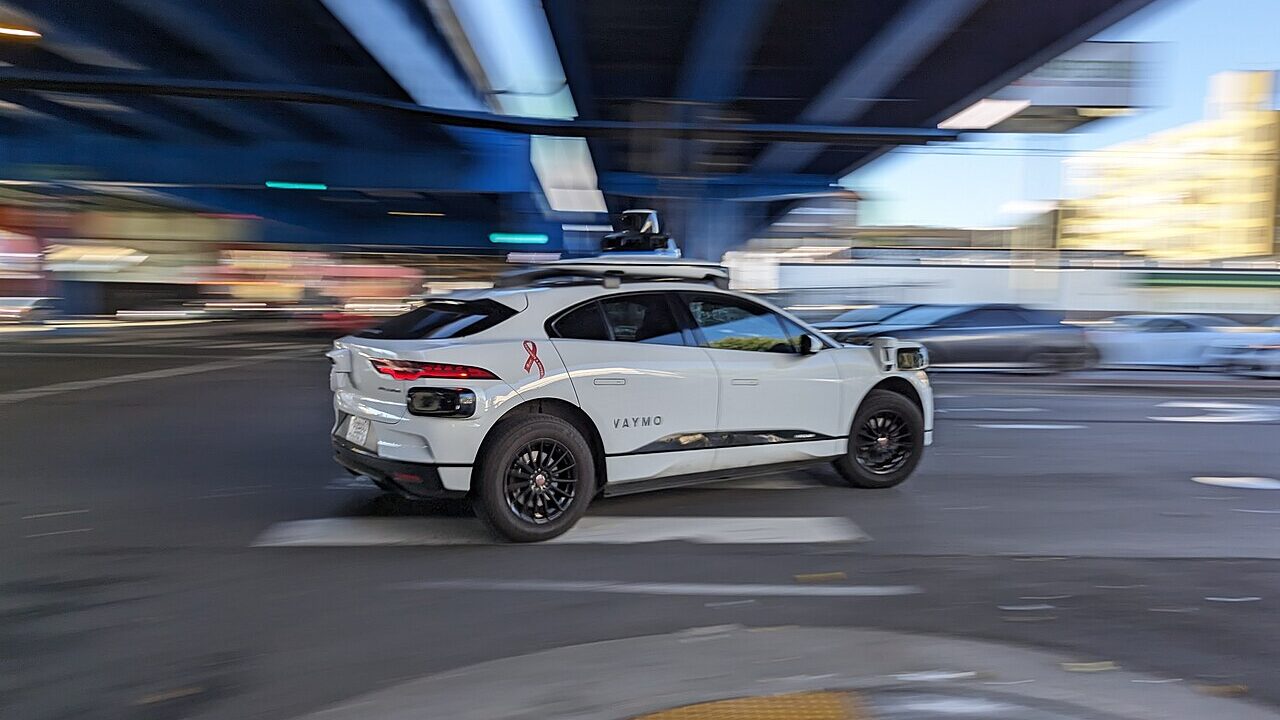
When supervisors pressed Waymo representatives on what concrete steps the company was taking so that first responders could focus on, you know, actual emergencies, Waymo’s incident response specialist Sam Cooper pointed to the company’s online training program — which has helped educate about 1,000 first responders in San Francisco on how to handle its vehicles.
Supervisor Bilal Mahmood was not particularly moved.
“Frankly, what I’m hearing mostly is that you kind of still expect our first responders to do roadside assistance, and you are just going to help us train them better to do that,” Mahmood said, pointing out the obvious gap between “here’s how to deal with our problems” and “here’s how we’ll stop causing those problems.”
In a statement following the hearing, a Waymo spokesperson said the ability for emergency workers to manually disengage the vehicles’ driving systems was added at the request of first responders. The company added that it doesn’t intend for this to become the go-to solution, and that its vehicles will try to move out of the way autonomously whenever possible.
That’s a reasonable goal. The problem is that “whenever possible” apparently doesn’t include power outages, active police standoffs, or the general chaos of urban driving — which, in a city like San Francisco, is most of the time.
A Bigger Pattern
The December outage wasn’t a one-off. The same week as the hearing, a Waymo robotaxi in Austin, Texas, made headlines after it blocked an ambulance responding to a mass shooting. The cab froze in the street, forcing the ambulance driver to reverse and find another route. Every second counts in those situations, and “the robot was confused” is not a satisfying explanation when lives are on the line.
There have also been separate incidents of Waymo vehicles cruising through active police standoffs and getting pulled over for driving on the wrong side of the road — the kind of moving violations that would result in a very awkward conversation for any human driver, but for a fully autonomous vehicle, seem to just generate a brief news cycle and a company statement.
So, What Now?
To be fair, Waymo isn’t the villain here so much as it is a very ambitious technology still bumping up against reality. Autonomous vehicles have made remarkable progress, and the company has logged millions of miles across multiple cities. But “impressive for a robot” and “ready to navigate every edge case in a major city” are two different bars — and right now, San Francisco’s firefighters and police officers are the ones absorbing the gap between them.
City leaders seem to be signaling that the free pass is running out. If Waymo wants to keep scaling its fleet in San Francisco — and it does — it may need to offer more than training videos and hold music when things go sideways.
Until then, at least those first responders are getting some experience in autonomous vehicle logistics. It’s not in the job description, but apparently, it’s in the job.