In March 2026, Stellantis told owners of roughly 225,000 older Chrysler, Dodge, Jeep and Ram vehicles to stop driving them immediately. The reason: Takata air bag inflators that can rupture during a crash and spray metal shrapnel into the cabin. The company’s formal “Do Not Drive” notice is among the most severe warnings an automaker can issue, and it applies to trucks and cars that many families and small businesses still use daily.
The affected vehicles have been subject to Takata-related recalls for years, but a significant number were never brought in for repair. Stellantis and federal safety regulators say the risk has now escalated to the point where operating these vehicles is no longer acceptable under any circumstances.
Which vehicles are covered by the “Do Not Drive” warning
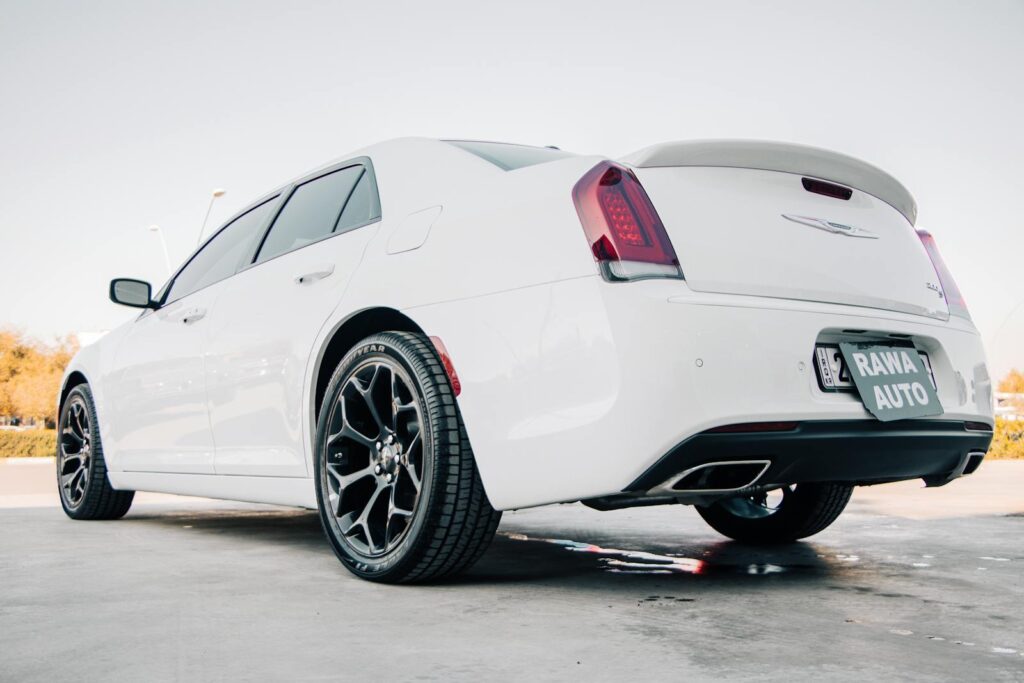
The notice targets a specific subset of Stellantis models still carrying original, unrepaired Takata inflators. According to recall records from the National Highway Traffic Safety Administration (NHTSA), the affected vehicles include:
- 2003–2010 Dodge Ram 1500, 2500 and 3500 (covered under multiple recall campaigns, including 15V312, 15V313, 16V352, 16V947 and 18V021)
- 2005–2015 Chrysler 300
- 2007–2009 Chrysler Aspen
- 2006–2009 Mitsubishi Raider (shares platform and inflator components with certain Dodge trucks)
- Several additional Dodge and Jeep models from the mid-2000s through mid-2010s
Not every vehicle that ever carried a Takata air bag is included. The warning applies only to units where the combination of inflator design, vehicle age and long-term climate exposure puts the failure risk at its highest. The only reliable way to confirm whether a specific vehicle is affected is to run its 17-digit Vehicle Identification Number (VIN) through NHTSA’s recall lookup tool.
Why these air bags can be lethal
Takata inflators use a chemical propellant, ammonium nitrate, to generate the gas that fills an air bag in a crash. Over time, exposure to heat and humidity can degrade that propellant, causing it to burn too aggressively when triggered. Instead of a controlled deployment, the metal inflator housing can rupture and fragment, firing shrapnel at the driver or front passenger.
NHTSA has confirmed at least 27 deaths in the United States linked to defective Takata inflators, with additional fatalities reported internationally. Hundreds more people have been seriously injured. The agency has noted that the risk increases with each passing year as the propellant continues to deteriorate, which is why vehicles from the early and mid-2000s now face the greatest danger. Regulators describe this not as a probabilistic concern but as a documented failure pattern that has turned survivable collisions into fatal ones.
How Stellantis and federal regulators are responding
Stellantis has reserved the “Do Not Drive” designation for what it considers the highest-risk vehicles in its recall population. The company is contacting affected owners directly by mail and, where possible, by phone and email, urging them to schedule a free inflator replacement at an authorized dealership.
Because the warning explicitly tells owners not to operate the vehicle, Stellantis says it will arrange towing to a dealership at no cost for vehicles covered by the “Do Not Drive” notice. The repair itself, replacing the defective inflator or the entire air bag module, is typically completed in a single service visit and is free of charge under the recall.
NHTSA has backed the automaker’s language and is running its own outreach campaign. The agency’s main website provides background on the broader Takata crisis, which remains the largest automotive safety recall in history, covering tens of millions of vehicles across more than a dozen manufacturers.
What owners should do right now
Step 1: Check your VIN. Enter your vehicle’s 17-digit VIN at nhtsa.gov/recalls. The tool will show any open recall campaigns, including “Do Not Drive” alerts. This takes less than a minute and is the only way to know for certain whether your vehicle is in the affected group.
Step 2: Do not drive the vehicle if it is flagged. Stellantis and NHTSA are explicit on this point. The risk of a fatal inflator rupture is high enough that no trip, however short, is considered safe.
Step 3: Contact your nearest authorized dealer. For Chrysler, Dodge, Jeep and Ram vehicles, call a Stellantis dealer to schedule the free repair. Ask about towing assistance if the vehicle cannot be safely driven to the shop. Parts availability can vary by region and model, so confirm timing when you call.
Step 4: Spread the word. Many of these trucks and cars have changed hands multiple times since they were new. If you have sold, traded or given away a vehicle from this era, consider reaching out to the current owner. Recall notices are mailed to the registered owner on file, but that information is not always current.
The bigger picture: why so many vehicles remain unrepaired
The Takata recall has been active in various phases since 2014, and NHTSA estimates that millions of affected vehicles across all brands have still not been repaired. The reasons range from outdated owner contact information to vehicles that have been resold, scrapped or simply forgotten. For older trucks like the Dodge Ram, which hold their value and often stay on the road well past 200,000 miles, the gap between recall notices sent and repairs completed has been especially persistent.
This latest “Do Not Drive” batch of 225,000 vehicles is not a new discovery. These are vehicles that were recalled years ago but never fixed. Stellantis and NHTSA are escalating the urgency because the inflators in these specific units are now old enough that the probability of a dangerous rupture has crossed what regulators consider an unacceptable threshold. For owners, the message is straightforward: check your VIN, stop driving if your vehicle is listed, and get the free repair done as soon as possible.
More from Wilder Media Group:
- 6 Hot Wheels Cars That Can Sell for Thousands
- 8 Vintage Cars That Have Exploded in Value Since the ’70s
- 9 Classic Cars From the ‘70s That Are Now Worth a Fortune
- 9 ’80s Toy Cars That Are Now Hot Collector’s Items